

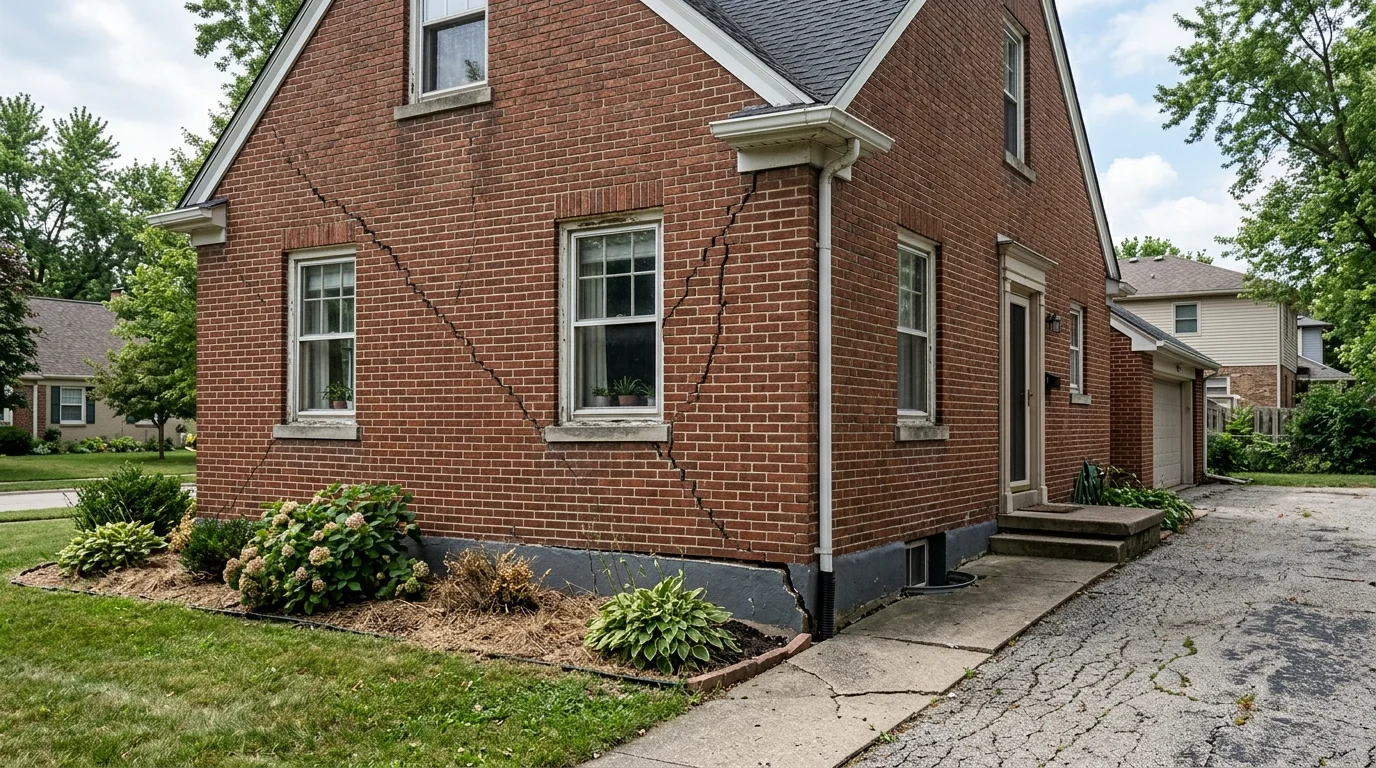
Finding cracks in your walls can instantly raise concern. Many homeowners worry about whether the damage is cosmetic or something more serious. In some cases, cracks are harmless and caused by natural settling. In others, they may point to deeper structural issues linked to subsidence cracks.
Understanding the difference early can save you time, stress, and money. The key is to know what to look for and how to respond before the problem becomes severe.
What Are Subsidence Cracks?
Subsidence cracks develop when the ground beneath a property begins to shift or sink. This movement affects the foundation, leading to visible signs of structural stress. Unlike surface-level damage, these cracks often indicate a deeper issue related to soil movement or weakened support beneath the building.
They are considered structural cracks because they are connected to the stability of the property. If ignored, they can gradually worsen and impact the overall integrity of the building.
What Do Subsidence Cracks Look Like?
Recognizing the appearance of cracks is one of the most important steps in identifying a potential problem. These cracks often form in a diagonal pattern and may follow the mortar lines in brickwork, creating a stepped effect. They are usually wider than typical hairline cracks and may appear more pronounced at one end.
You will often notice them around weak points in the structure, such as doors and windows. As the building shifts, these areas experience stress, making them common locations for visible damage. If the cracks seem to grow over time or change shape, it is a strong indication of ongoing movement.
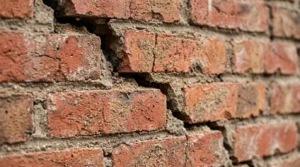
Early Warning Signs Most Homeowners Miss
Visible cracks are not always the first sign of trouble. In many cases, subtle changes appear before structural damage becomes obvious. Doors and windows may begin to stick or feel misaligned. Floors might develop a slight slope that becomes noticeable over time. Wallpaper can ripple or tear without an obvious reason, and small gaps may form where walls meet skirting boards.
These signs of subsidence often go unnoticed because they develop gradually. Paying attention to these early indicators can help you catch the issue before it escalates.
Subsidence Cracks vs Normal Cracks
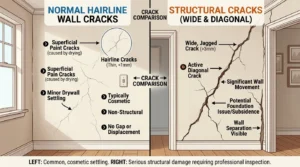
Not every crack in a property signals a serious problem. Many homes develop minor cracks due to temperature changes or natural settling. These are usually thin, vertical, and consistent in shape.
Subsidence cracks behave differently. They tend to be wider, more irregular, and often appear diagonally. They may also continue to grow over time rather than remaining stable. When comparing subsidence vs settlement cracks, the key difference lies in progression. Settlement cracks typically stabilize after construction, while subsidence-related damage continues if the underlying cause is not addressed.
What Causes Subsidence Cracks?
Several factors can lead to ground movement beneath a property. One of the most common causes is clay soil, which expands and contracts depending on moisture levels. During dry periods, the soil shrinks, causing the foundation to shift.
Tree roots can also play a significant role by absorbing moisture from the ground, further contributing to soil shrinkage. In some cases, leaking drains wash away supporting soil, weakening the foundation. Poor construction or nearby building work can also disturb the ground and trigger movement. Understanding these causes of subsidence helps homeowners identify potential risks around their property and take preventive action where possible.
When Should You Worry About Cracks?
While small cracks are often harmless, certain signs should not be ignored. If a crack becomes wider than 3mm, changes shape, or appears suddenly, it may indicate a deeper issue. Cracks located near doors and windows or appearing in multiple areas at once also require attention.
Knowing when to worry about cracks in walls is essential. If you notice rapid changes or a pattern of structural movement, it is wise to seek professional advice rather than wait for the problem to worsen.
Are Subsidence Cracks Dangerous?
The level of risk depends on the severity of the movement and how long it continues. In some cases, the issue may stabilize with minimal damage. In others, it can lead to significant structural problems, reduced property value, and costly repairs. Ignoring the warning signs can allow the damage to progress further. Addressing the issue early provides the best chance of minimizing both risk and expense.
What To Do If You Notice Subsidence Cracks
If you suspect a problem, the first step is to observe and document the crack. Measuring its width and taking regular photos can help you track any changes over time. This information is useful if you need to consult a professional.
Next, look for additional signs of movement within the property. If the issue appears to be progressing, contacting a qualified surveyor or structural expert is a sensible step. In some cases, informing your insurance provider may also be necessary, especially if the damage could be covered under your policy.
How to Fix Subsidence Cracks
Repairing the cracks themselves is only part of the solution. The underlying cause must be identified and resolved first. This may involve fixing drainage issues, managing nearby trees, or improving soil conditions around the property.
In more serious cases, structural reinforcement methods such as underpinning may be required to stabilize the foundation. Once the movement is controlled, cosmetic repairs can restore the appearance of the affected areas.
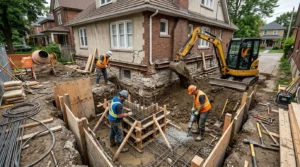
Cost of Repairing Subsidence Cracks
The cost of repairs can vary depending on the extent of the damage and the solution required. Minor issues may be relatively inexpensive to fix, while more complex structural work can be significantly more costly.
Factors such as the size of the property, the severity of the movement, and the chosen repair method all influence the final cost. In some situations, insurance may help cover expenses, particularly if the cause falls within policy terms.
How to Prevent Subsidence Cracks
Preventing subsidence is not always possible, but there are steps you can take to reduce the risk. Maintaining consistent moisture levels in the soil around your home is important, especially during dry periods. Managing vegetation and avoiding large trees near the foundation can also help.
Regularly checking drainage systems and addressing leaks promptly can prevent soil erosion beneath the property. Staying aware of early warning signs allows you to act quickly and avoid more serious damage.
Can You Buy or Sell a House With Subsidence?
Buying or selling a property affected by subsidence can be more challenging, but it is not impossible. Buyers often require reassurance that the issue has been properly addressed and that the structure is stable.
Providing clear documentation, such as survey reports and details of completed repairs, can help build confidence. While the presence of subsidence may affect property value, proper management and transparency can make transactions smoother.
Expert Tips to Protect Your Property Long Term
Transforming a home requires a proactive approach. Regular inspections can help you spot early signs of structural movement. Seasonal changes in weather and soil conditions should also be monitored, as they can influence ground stability.
Keeping a record of any changes in your property and addressing small issues promptly can prevent them from developing into larger problems. Long-term awareness is one of the most effective ways to maintain structural integrity.
FAQs
Do all cracks mean subsidence?
No, many cracks are harmless and result from normal building movement.
How wide are dangerous cracks?
Cracks wider than 3mm may require closer inspection and monitoring.
Can subsidence stop on its own?
In some cases, movement may stabilize, but the cause should still be investigated.
Is subsidence covered by insurance?
Many policies include coverage, but it depends on the specific cause and terms.
Conclusion
Cracks in a property can be worrying, but they do not always indicate serious damage. Understanding the signs, causes, and risks allows you to respond with confidence. If you suspect subsidence cracks, taking early action and seeking professional advice can protect your home and prevent costly repairs in the future.










Leave a Reply