

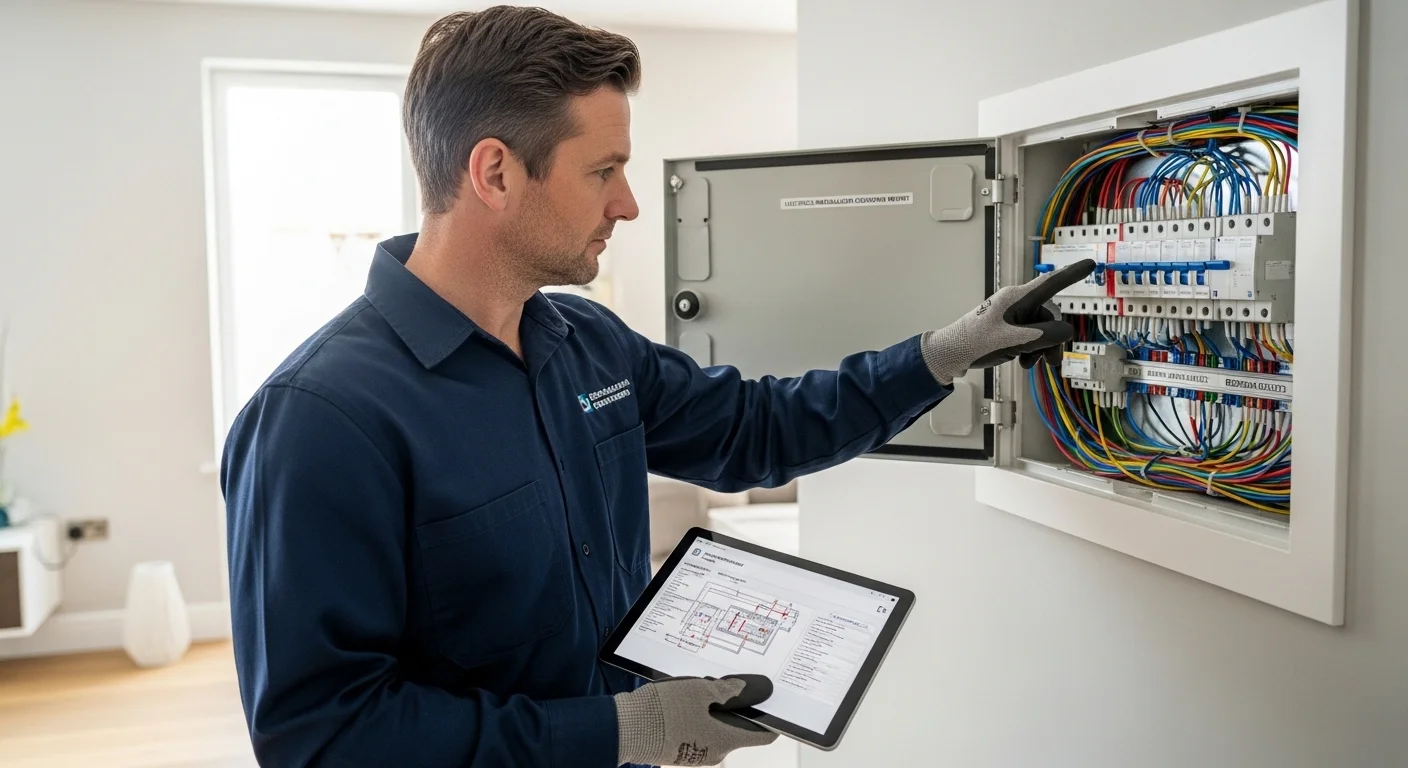
Electrical safety plays an important role in maintaining any property. One of the most reliable ways to evaluate electrical safety is through an EICR London, which helps identify potential risks in electrical systems. Faulty wiring, damaged sockets, and outdated installations can create serious hazards if property owners ignore them for long periods. Therefore, landlords and homeowners often arrange professional inspections to ensure their electrical systems remain safe and compliant with regulations.
An EICR carefully evaluates the condition of a property’s electrical system. In addition, it identifies faults, deterioration, and possible electrical hazards that may threaten safety.
When property owners understand how this inspection works, they can maintain electrical safety standards more effectively and protect occupants from risks linked to wiring faults or overloaded circuits.
What Is an EICR Electrical Inspection
A qualified electrician carries out an Electrical Installation Condition Report to assess the safety of an electrical system. The inspection checks whether the installation meets current electrical safety standards and operates correctly.
During the inspection, electricians examine wiring, electrical circuits, sockets, switches, and distribution boards. They also look for damage, wear, or conditions that do not comply with electrical safety regulations.
The electrician then records the results in a detailed electrical testing report. This document highlights any problems and provides recommendations for repairs or improvements when necessary.
Because of this process, property owners, landlords, and businesses gain a clear understanding of th
Why an EICR Inspection Is Important for Electrical Safety
Electrical systems naturally deteriorate over time. For example, wires may loosen, insulation can weaken, and older components may fail to meet modern safety standards. As a result, unnoticed problems may develop into serious hazards.
Regular inspections help detect these issues early. In addition, electricians can identify faulty circuits that may increase the risk of electric shock or electrical fires.
For landlords and property managers, inspections also support legal responsibilities. Many rental property regulations require proof that electrical installations meet safety standards. Therefore, regular electrical safety inspections help landlords protect tenants and maintain compliance.
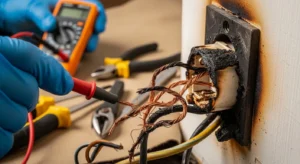
Furthermore, early detection of electrical faults can prevent costly repairs and reduce the risk of property damage.
What an EICR Inspection Checks
Professional electricians examine several parts of a property’s electrical system during an inspection. They combine visual checks with electrical testing procedures to evaluate the overall condition of the installation.
Electrical wiring condition
First, electricians inspect the wiring throughout the property. They check whether cables show signs of damage, overheating, or aging insulation.
Consumer unit and fuse board
Next, electricians examine the consumer unit. This component distributes electricity across the property. They test circuit breakers and protective devices to ensure proper operation.
Lighting circuits
Inspectors also test lighting circuits. This step helps confirm that the wiring and connections remain safe and functional.
Electrical sockets and switches
Electricians test sockets and switches to confirm that they operate safely and connect securely.
Earthing and bonding
In addition, inspectors check the earthing system because it protects occupants from electric shocks.
Electrical load and circuit protection
Finally, electricians evaluate whether circuits carry the correct electrical load. Overloaded circuits may overheat and create fire hazards, so inspectors pay close attention to this part of the system.
Who Needs an Electrical Safety Inspection
Electrical safety inspections benefit several types of property owners.
Landlords and rental properties
First, landlords use electrical safety certificates to demonstrate that rental properties meet safety requirements.
Homeowners
Homeowners also benefit from inspections, especially when buying a property or maintaining older electrical systems.
Commercial property owners
Businesses often schedule inspections to ensure that electrical installations meet workplace safety standards.
Property managers
Meanwhile, property managers organize inspections regularly to maintain safe environments for tenants.
How to Prepare for an Electrical Inspection
Property owners can prepare in advance to help electricians complete inspections efficiently. First, they should ensure that electrical panels, sockets, and switches remain easy to access. In addition, clearing furniture or obstacles around electrical points allows inspectors to work without delays.
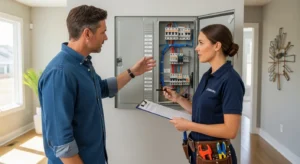
Property owners may also gather records of previous electrical repairs or upgrades. As a result, electricians can review past work and better understand the condition of the electrical system.
Maintaining Electrical Safety Between Inspections
Property owners should take simple steps to maintain electrical safety between inspections. For example, they should regularly check sockets, switches, and appliances for visible damage.
In addition, avoiding overloaded sockets can significantly reduce electrical risks. Meanwhile, using electrical appliances correctly helps protect wiring and circuits.
Furthermore, scheduling regular inspections allows electricians to identify potential problems before they become serious hazards. Because of these preventive measures, property owners can maintain safe and reliable electrical systems.





Leave a Reply