

What Is the Subsidy
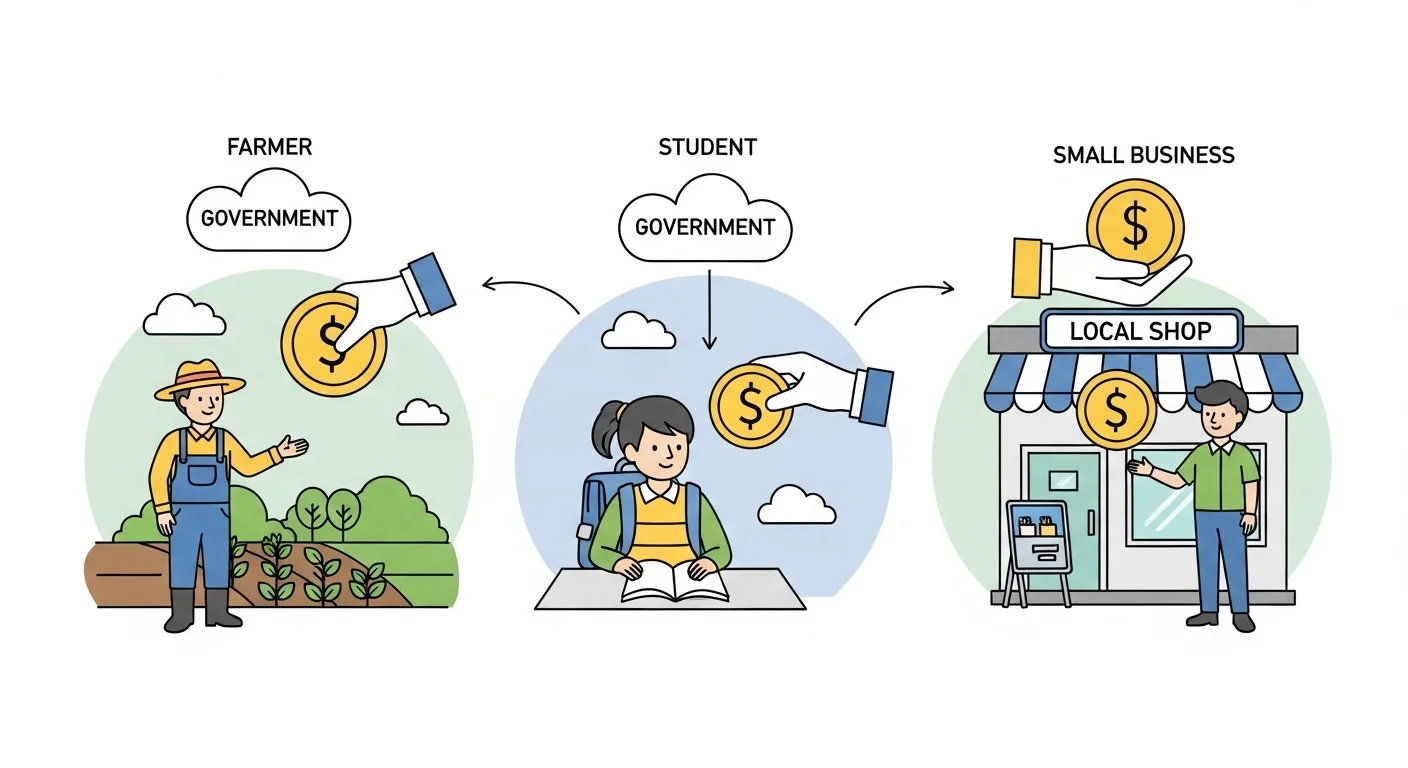
A subsidy is financial support provided by a government to individuals, businesses, or industries to reduce costs and encourage specific economic activities. In simple terms, it helps make goods or services more affordable for people and allows businesses to continue production without heavy losses.
For instance, a government might help farmers by giving money to buy seeds or fertilizers, making farming more sustainable and profitable.
Subsidy Meaning in Simple Words
The term subsidy can be explained as government aid that eases financial burdens. This assistance can come in the form of cash payments, tax reductions, or lower prices for essential goods. For example, when electricity bills are reduced for households, or when students get financial support for education, these are examples of subsidies in practice.
Why Governments Provide Subsidies
Subsidies are a key tool in economic policy. Governments use them to support citizens, stabilize prices, and encourage production.
Key purposes include:
-
Supporting low-income families by reducing essential costs
-
Controlling prices of basic goods to prevent inflation
-
Promoting industries and production
-
Encouraging exports and economic growth
Subsidies help balance the economy while ensuring that citizens can access necessary goods and services.
Types of Subsidies
Subsidies can be classified into different categories based on their method and purpose.
Direct Subsidy
Financial aid is given directly to individuals or businesses, such as cash transfers to farmers or students.
Indirect Subsidy
Reduces the cost of goods or services instead of giving cash. Examples include fuel or food price reductions.
Production Subsidy
Support for producers to increase output by lowering production costs.
Export Subsidy
Provided to businesses to promote international trade and help local industries compete globally.
Real-Life Examples of Subsidy
Subsidies exist in many everyday scenarios and make goods or services more affordable.
Examples:
-
Agriculture subsidies for seeds and fertilizers
-
Fuel subsidies to reduce petrol and diesel costs
-
Education support through lower tuition fees
-
Electricity subsidies for households
These examples show how government assistance improves accessibility and supports the economy.
Advantages of Subsidies
Subsidies provide multiple benefits to citizens and businesses.
Key advantages:
-
Makes essential goods and services affordable
-
Promotes economic growth
-
Encourages production and investment
-
Provides financial relief to individuals and families
Subsidies play an important role in improving living standards and supporting economic development.
Disadvantages of Subsidies
Despite their benefits, subsidies can have drawbacks if not managed well.
Key disadvantages:
-
Increased government expenditure and budget burden
-
Inefficiency in industries receiving support
-
Market distortion and overdependence
-
Risk of misuse or corruption
Proper management ensures that subsidies benefit the economy without causing negative consequences.
Subsidy vs Tax
Subsidies and taxes are opposite economic tools.
-
Subsidy reduces the price of goods and services, encouraging consumption
-
Tax increases costs, discouraging consumption
-
Subsidies support production, while taxes fund government spending
Understanding this difference helps clarify how governments influence markets and public behavior.
Subsidy vs Grant
While a subsidy reduces ongoing costs, a grant is usually a one-time financial aid for a specific project. For example, a business may receive a subsidy for years to maintain production, while a grant may be given once to start a new initiative.
Hidden Subsidies
Hidden subsidies are indirect financial support that may not be obvious.
Examples include:
-
Tax exemptions for certain industries
-
Reduced interest rates on loans
-
Government support for infrastructure
Even if they are not cash payments, these benefits reduce costs for businesses and support economic activities.
Impact of Subsidies on the Economy
Subsidies can have both positive and negative effects.
Positive effects:
-
Increased production and supply
-
Reduced prices for consumers
-
Support for economic growth
Negative effects:
-
Budget deficits for governments
-
Dependency on financial support
-
Distorted market competition
Properly targeted subsidies maximize benefits while minimizing risks.
Are Subsidies Good or Bad?
The value of subsidies depends on how they are implemented.
-
They are beneficial when used to support essential sectors and improve citizens’ welfare
-
They become harmful if overused or mismanaged
Balanced use ensures that subsidies aid the economy and society without causing inefficiency.
Conclusion
Now you understand what is the subsidy and why it is important. It is a powerful tool for financial aid, economic support, and affordability. By knowing the types, examples, and advantages and disadvantages, citizens can better appreciate the role of subsidies in everyday life and the economy.




Leave a Reply