


What Is Integrated Logistic Support Training?
Integrated logistic support training is a structured learning process that teaches how to manage and support systems throughout their lifecycle. It focuses on ensuring that equipment, systems, and operations run efficiently from design to disposal.
In simple terms, it helps professionals understand how to plan maintenance, manage spare parts, and maintain system reliability. Unlike general logistics, integrated logistics support takes a long-term approach by combining engineering, maintenance, and supply chain strategies.
Many industries now depend on integrated logistics support to reduce downtime and improve performance, which is why training in this field is becoming increasingly valuable.
Why Integrated Logistic Support Training Is Important
Modern industries rely heavily on complex systems. Without proper support, these systems can fail, leading to high costs and operational delays.
This is where integrated logistic support training becomes essential. It helps professionals understand lifecycle management, ensuring systems remain operational and efficient.
For example, in the aerospace and defense sectors, even a small failure can cause serious issues. With proper logistics support training, organizations can improve operational availability and reduce risks. Additionally, it supports better decision-making by combining maintenance planning and supply support strategies.
Key Components of Integrated Logistic Support
To understand this field better, it is important to know its core components:
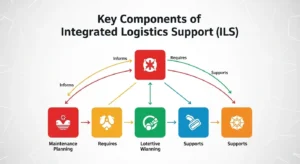
Maintenance Planning
This includes preventive maintenance and corrective maintenance to keep systems running smoothly.
Supply Support
Managing spare parts and ensuring availability when needed.
Technical Documentation
Creating and maintaining documents that guide system operation and maintenance.
Reliability, Availability, Maintainability
These factors, often called RAM, help measure system performance and efficiency.
Training and Support Systems
Ensuring that staff are properly trained to handle systems effectively.
These components work together to improve system lifecycle management and operational efficiency.
What You Will Learn in Integrated Logistic Support Training
A well-structured integrated logistics support training program covers both theory and practical skills. You will learn about supportability analysis, logistics data management, and lifecycle cost reduction. Many courses also introduce tools used in logistics engineering and asset management.
Training programs often include modules on maintenance strategies, technical documentation, and supply chain coordination. These skills help professionals manage complex systems effectively. By the end of the course, learners are equipped with the knowledge needed to handle real-world logistics challenges.
Types of Integrated Logistic Support Training Programs
There are different ways to learn integrated logistics support depending on your goals.
Online Courses
Flexible and suitable for beginners who want to learn at their own pace.
Certification Programs
These programs provide recognized credentials and are ideal for career advancement.
Corporate Training
Organizations often train their employees to improve internal logistics systems.
Choosing the right format depends on your schedule, budget, and career objectives.
Who Should Take Integrated Logistic Support Training?
This training is suitable for a wide range of professionals.
-
Beginners who want to enter the logistics field
-
Engineers working in manufacturing or aerospace
-
Supply chain professionals looking to upgrade skills
-
Defense sector employees managing complex systems
Even if you are new to the field, many courses offer beginner friendly content that explains integrated logistics support in a simple way.
Benefits of Integrated Logistic Support Training
There are several advantages of learning this skill.

First, it improves career opportunities by opening doors to specialized roles. Second, it helps organizations reduce lifecycle costs by improving maintenance and supply support strategies. Another key benefit is improved operational efficiency. When systems are properly supported, they perform better and last longer. Overall, this training adds value both for individuals and organizations.
Career Opportunities After ILS Training
After completing training, there are many career paths available. You can work as an ILS engineer, logistics manager, or supportability analyst. These roles are in demand in industries such as defense, aerospace, and manufacturing.
Professionals in this field often earn competitive salaries, especially those with strong knowledge of lifecycle management and logistics systems. As industries continue to rely on complex systems, the demand for skilled professionals is expected to grow.
How to Choose the Best Integrated Logistic Support Training Course
Selecting the right course is important for your success. Look for programs that cover key topics like maintenance planning, supply support, and technical documentation. Certification is also important as it adds credibility to your skills.
You should also consider course content, instructor experience, and industry recognition. A well-designed course will include both theory and practical applications.
Challenges in Integrated Logistic Support
While this field offers many benefits, it also comes with challenges. One common issue is managing large amounts of logistics data. Another challenge is integrating different systems and processes effectively. High initial costs can also be a barrier for some organizations. However, with proper planning and training, these challenges can be managed successfully.
Future Trends in Integrated Logistic Support Training
The future of logistics support is evolving rapidly. Technologies like artificial intelligence and automation are changing how systems are managed. Predictive maintenance is becoming more common, allowing organizations to fix issues before they occur.
Digital tools and advanced analytics are also improving logistics efficiency. These trends are shaping the future of integrated logistic support training and making it more relevant than ever.
Step-by-Step Guide to Start Learning ILS
If you want to start your journey, follow these steps:
-
Learn the basics of integrated logistics support
-
Choose a beginner-friendly online course
-
Understand key components like maintenance and supply support
-
Practice with real-world examples
-
Get certified to improve your career opportunities
Starting with the right approach will help you build a strong foundation in this field.
FAQs
What is integrated logistic support training?
It is a program that teaches how to manage and support systems throughout their lifecycle.
Can I learn ILS online?
Yes, many online courses are available for beginners and professionals.
Is this training worth it?
Yes, it offers strong career opportunities and industry demand.
How long does it take to complete?
It depends on the course, but most programs can be completed within a few weeks to a few months.
Final Thoughts
Integrated logistic support is becoming a critical part of modern industries. With the right skills and knowledge, professionals can play a key role in improving system performance and reducing costs. By choosing the right training and staying updated with industry trends, you can build a successful career in this growing field.


Leave a Reply