


Introduction to Libel & Slander
Understanding libel & slander is more important than ever in a world where information spreads instantly. A single false statement can harm someone’s reputation within minutes, especially online. Whether you are a student, blogger, or business owner, having a clear idea of how defamation works can help you avoid legal issues and protect yourself.
Both libel and slander fall under the broader concept of defamation. While they are often used interchangeably, they are not the same. Knowing the difference between libel and slander can help you better understand your rights and responsibilities.
What Is Defamation in Law
Defamation refers to a false statement presented as a fact that causes harm to a person’s reputation. It is a part of civil law and exists to protect individuals from false accusations and reputation damage.
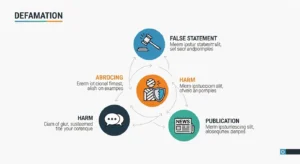
For a statement to qualify as defamation, it must be untrue, shared with others, and harmful. Courts also consider whether the person making the statement acted carelessly or with intent. This balance between free speech and protection is what shapes modern defamation law.
What Is Libel
Libel is written or published defamation. It includes anything that is recorded in a permanent form such as articles, blog posts, newspapers, or social media content.
For example, if someone publishes a false accusation in an online article or posts misleading claims about a person or business, it may be considered libel. Because it is documented, libel often carries more weight in legal cases since the evidence can be easily presented.
What Is Slander
Slander, on the other hand, refers to spoken defamation. It involves false statements made verbally that damage someone’s reputation. This could happen during a conversation, a public speech, or even through voice recordings. Slander can sometimes be harder to prove because it is not always recorded, but it can still have serious legal consequences if witnesses or other evidence are available.
Libel vs Slander: Key Differences
Although both are forms of defamation, the difference between libel and slander lies mainly in how the statement is communicated. Libel is written and tends to have a lasting presence, while slander is spoken and may disappear quickly unless recorded.

Another key difference is the level of proof required. Written content, such as emails or social media posts, can be saved and used as evidence, making libel cases easier to support. Slander cases often rely on witness testimony, which can make them more complex. Understanding these distinctions helps clarify how defamation law is applied in real situations.
Real Life Examples of Libel & Slander
Real-world scenarios make these concepts easier to grasp. Imagine a situation where a blog falsely accuses a business of illegal activity. This would be considered libel because the statement is published and can be widely shared.
Now consider a workplace setting where someone spreads a false rumor about a colleague. That situation would fall under slander because the statement is spoken rather than written. These examples show how libel & slander can occur in everyday life and why they should be taken seriously.
Libel & Slander in the Digital Age
The rise of the internet has significantly increased the risk of defamation. Today, social media platforms and online forums allow information to spread rapidly, often without proper verification.
A single false post on platforms like Facebook or Twitter can reach thousands of people within minutes. Online reviews, viral videos, and influencer content can also contribute to reputation damage if they contain false information. This is why understanding libel & slander in the digital age is crucial for anyone who shares content online.
Elements of a Defamation Case
To succeed in a defamation lawsuit, certain elements must be established. The statement must be false and presented as a fact. It must also be communicated to others and cause harm to the person’s reputation. In addition, the court examines whether the person responsible acted negligently or intentionally. These elements form the foundation of any defamation claim and apply to both libel and slander cases.
How to Prove Libel or Slander
Proving defamation requires strong and clear evidence. In cases of libel, written records such as articles, emails, or screenshots can be used to demonstrate the false statement.
For slander, the process may involve witness statements or recordings if available. It is also important to show how the statement caused harm, whether through financial loss, emotional distress, or damage to reputation. Knowing how to prove libel or slander is essential if you are considering legal action.
Legal Consequences of Defamation
Defamation can lead to serious legal consequences depending on the severity of the case. Courts may require the person responsible to pay financial compensation for the damage caused. In some situations, they may also order the removal of harmful content or issue public corrections. The goal is to restore the reputation of the affected individual and prevent further harm.

Defenses Against Libel & Slander Claims
Not every harmful statement qualifies as defamation. Several legal defenses can protect a person from liability. Truth is one of the strongest defenses. If the statement is accurate, it cannot be considered defamation. Similarly, opinions are generally protected, as long as they are not presented as facts. Certain statements made in legal or official settings may also be protected under privilege.
What to Do If You Are a Victim of Defamation
If you believe someone has made false statements about you, it is important to act carefully. Start by documenting the content, whether it is written or spoken. Avoid reacting emotionally, as this can sometimes worsen the situation. Seeking legal advice is often the best step, as a professional can guide you through the process of filing a defamation claim. Taking timely action can help minimize the damage and protect your rights.
How to Avoid Defamation
Avoiding defamation is largely about being responsible with your words and content. Always verify information before sharing it, especially online. Refrain from spreading rumors or making claims without evidence. Being mindful of how your statements may affect others can go a long way in preventing legal issues. Responsible communication helps build trust and credibility.
Libel & Slander Laws by Country
Defamation laws vary across different countries, which can affect how cases are handled. In the United States, there is a strong emphasis on free speech, especially for public figures. The United Kingdom tends to have stricter rules that favor protecting reputation.
Canada follows a balanced approach, while countries like Pakistan also recognize defamation under both civil and criminal law. Understanding these differences is important, particularly in cases involving online content that crosses borders.
FAQs
Many people wonder whether libel is more serious than slander. In general, libel is often treated as more damaging because it is permanent and easier to prove. Another common question is whether someone can go to jail for defamation. In most cases, defamation leads to civil penalties, although some jurisdictions may impose criminal consequences.
People also ask whether opinions can be considered defamation. The answer is no, as long as the opinion is not presented as a factual statement. The amount someone can sue for depends on the extent of the harm caused and the evidence available.
Conclusion
Defamation is a powerful legal concept that affects how we communicate in both personal and professional settings. By understanding the difference between libel and slander, you can better protect your reputation and avoid making harmful statements about others.
In a digital world where information spreads quickly, responsible communication is more important than ever. Learning about these principles ensures that your words are used wisely and ethically.





Leave a Reply