

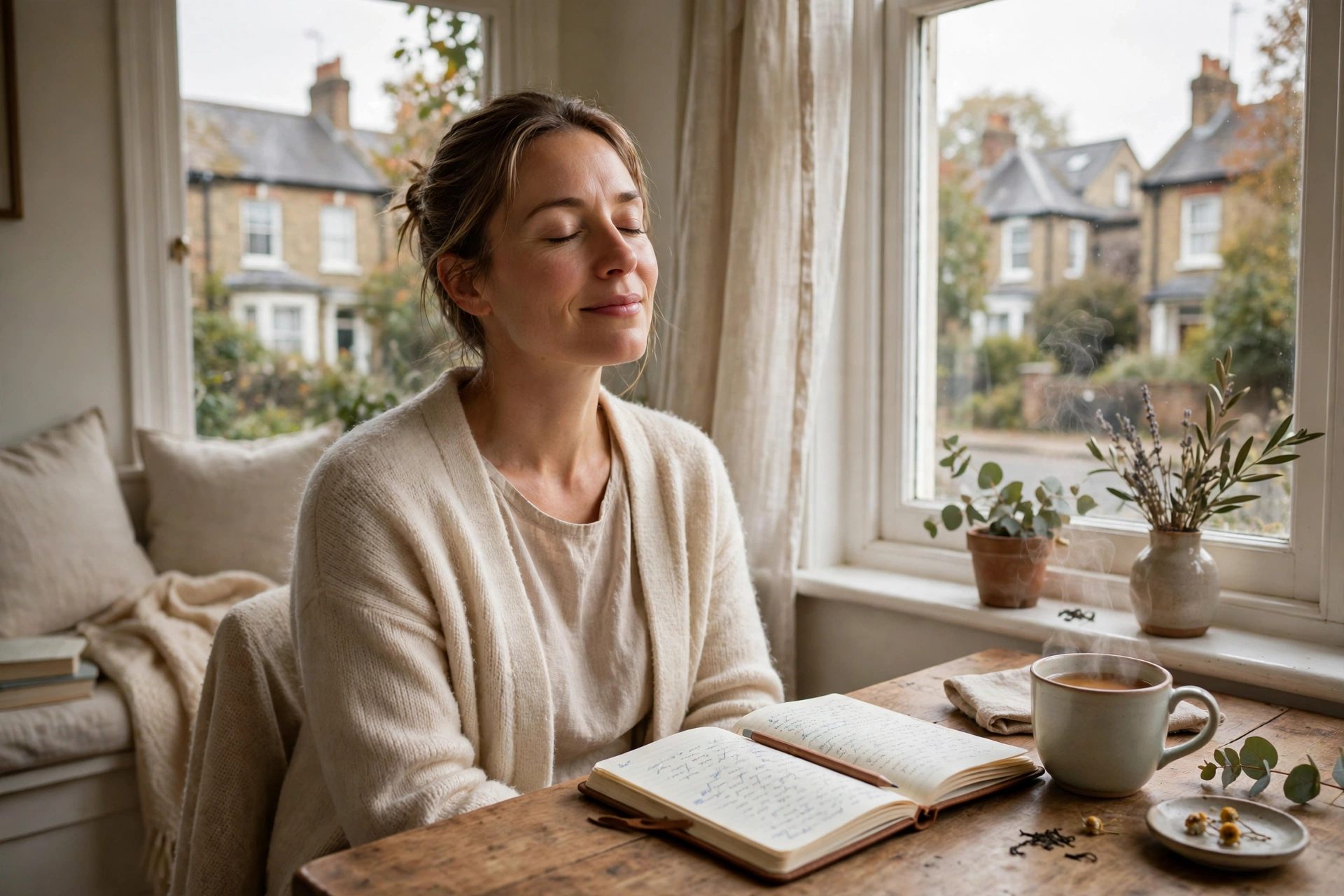
Learning how to reduce stress naturally starts with small, steady steps. Stress is your body’s response to pressure. A little of it helps you meet a deadline or face a challenge. When the pressure stays high for weeks, though, it drains your energy, tightens your muscles and disturbs your sleep. This guide explains what stress and anxiety feel like, and shows when to ask a GP for help.
What Stress and Anxiety Feel Like
Stress is a normal response. Your body releases stress hormones, including adrenaline and cortisol, to help you face a threat. Your heart beats faster and your muscles tense. That response helps in short bursts. When it stays switched on, you feel worn out.
Signs of anxiety often include a racing heart and a tight chest. Sleep turns restless, your stomach churns, and your mind will not switch off. Chronic stress symptoms look similar but last longer: headaches, jaw clenching, tiredness, low mood and trouble concentrating. Many people ask what causes muscle tension during stress. Your body braces for action, so your shoulders, neck and jaw hold tight without you noticing.
How to Reduce Stress Naturally with Breathing
Breathing is the fastest way to calm your body. Slow, steady breaths tell your nervous system that the danger has passed. Try box breathing: breathe in for four counts, hold for four, breathe out for four, then hold for four again. Repeat the cycle four times. You can do it anywhere. This is how to reduce stress naturally in the moment.
Another simple method is the long exhale. Breathe in for four counts and out for six or eight. A longer out-breath slows your heart rate and loosens tight muscles. Practice once or twice a day.
Mindfulness Activities for Everyday Calm
Mindfulness means paying full attention to the present moment. Try a five-senses check. Name five things you can see, four you can touch and three you can hear. Then add two you can smell and one you can taste. The exercise pulls your mind back from worries about tomorrow. These small pauses are how to reduce stress naturally.
Other mindfulness activities fit into ordinary moments. Eat one meal slowly and notice each flavour. Take a mindful walk and feel each step, the air and the sounds around you. A short brain dump also helps. Write your worries on paper for five minutes before bed, then close the notebook. The thoughts leave your head and wait on the page.
How to Reduce Stress Naturally Through Movement
Movement burns off the energy that stress builds up. A brisk walk, a swim or a cycle ride helps. Even ten minutes of movement lifts your mood and loosens tight muscles. Aim for about 30 minutes of activity on most days. Split it into short walks if that suits you better. That is how to reduce stress naturally through your body, not just your thoughts.
Movement also helps you learn how to lower cortisol naturally. Cortisol is one of the stress hormones your body releases under pressure. Regular activity brings the levels down over time. Pick something you enjoy. A dance class or a walk with a friend counts too.
How to Reduce Stress Naturally at Night: Sleep and Routine
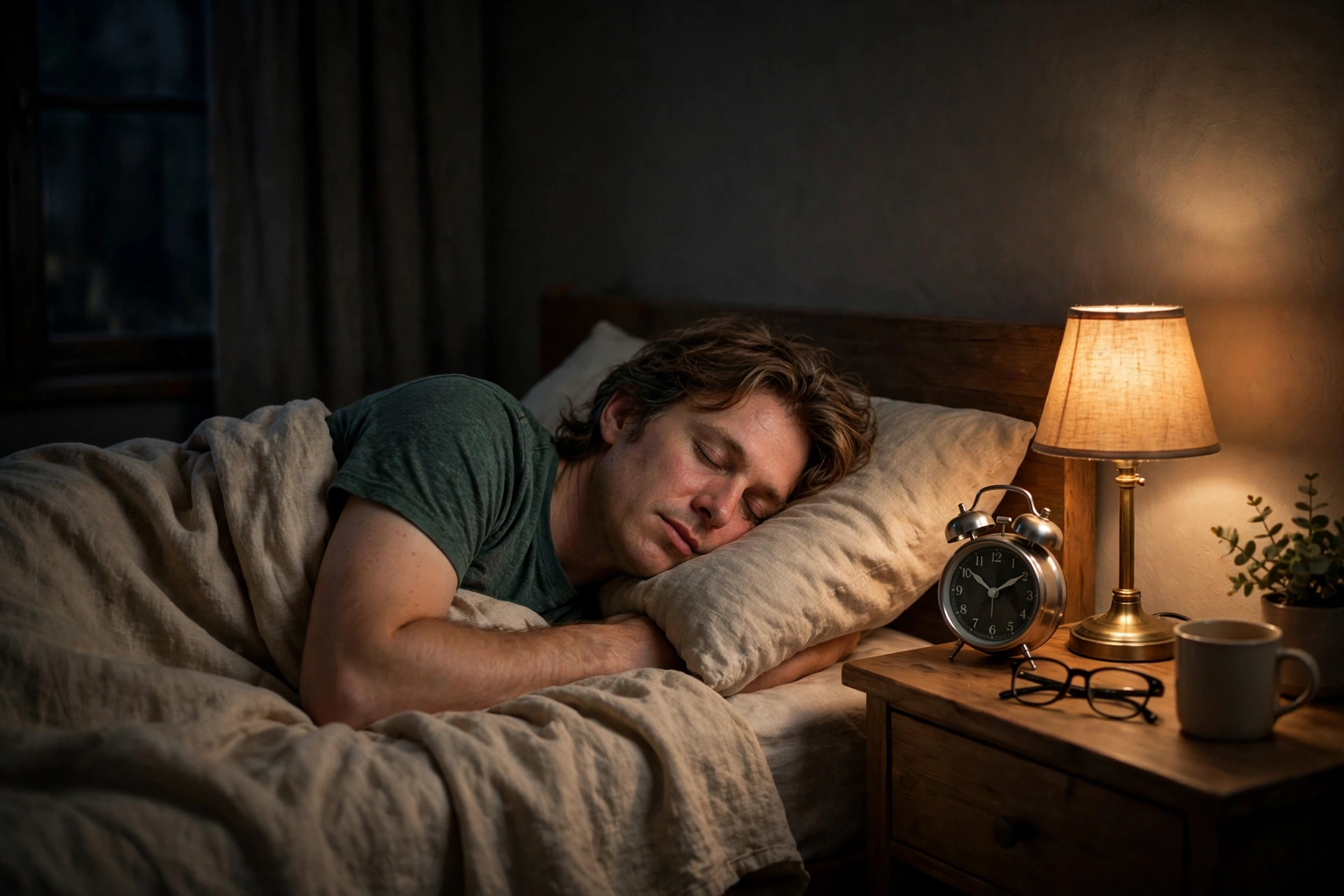
Stress and poor sleep feed each other. A tired mind worries more, and a worried mind sleeps less. Break the loop with a steady routine. Go to bed and wake up at the same times each day. Switch screens off an hour before bed. Keep your bedroom cool, dark and quiet. A steady routine is how to reduce stress naturally at night, when worries grow loudest.
When sleep problems keep coming back, read our sleep problems guide for practical steps on falling asleep and staying asleep. Wind down first: dim the lights, stretch gently and write tomorrow’s top three tasks on paper. The list waits for morning, so your mind can rest.
How to Lower Anxiety Before It Builds
Anxiety often grows when small worries pile up. Break the pile into pieces. Write the worry down, then split it into one small step you can take today. A phone call or a short email counts. Each small win shows your brain that you can act. Each of these steps shows how to reduce stress naturally before it builds into something bigger.
Learning how to lower anxiety also means learning how to reduce stress and anxiety together. Cut back on caffeine and alcohol, since both feed restless feelings. Talk to a friend or a family member. You can also learn how to alleviate stress by setting limits. Say no to one extra task this week, and protect an hour for yourself.
Anticipatory anxiety means dreading something before it happens — a meeting, a journey or a result. Plan the practical parts in advance: lay out clothes, check the route, pack the bag. Then rehearse only the first minute. Finally, work on how to improve self esteem. Keep a short list of things you did well each day, however small. Confidence grows from evidence, not from wishes.
What Is a Panic Attack?
A panic attack is a sudden rush of intense fear. It peaks within minutes and then fades. Your heart pounds and your chest tightens. You sweat, shake or feel dizzy. You may feel detached from the world around you. The feelings are frightening, but a panic attack itself is not dangerous. Your body is sounding a false alarm.
Signs of panic attack often include a racing heart, shortness of breath, tingling hands and nausea. A fear that something terrible will happen often joins them. If you have never had these feelings before, call 999 or NHS 111 for advice. Do the same if chest pain lasts. A first episode deserves a medical check.
How to Help Someone Having a Panic Attack
Stay with the person and keep your voice slow and calm. Sit beside them and say that you are there. Encourage slow breathing: breathe in with them for four counts and out for six. Do not crowd them or grab their hands unless they ask.
Ask simple questions with yes-or-no answers. Try “Can you hear me?” or “Shall I stay?” Do not tell them to calm down — the words rarely help. If the feelings do not ease after a few minutes, call 999 or NHS 111. Do the same if this is their first episode. Stay with them until help arrives.
Separation Anxiety and Health Anxiety
Separation anxiety disorder means intense fear when apart from a loved one. Children feel it most, but adults feel it too. A steady goodbye routine, short separations that grow longer, and calm reassurance all help. A GP can advise if the fear limits daily life.
Health anxiety means worrying a lot about illness, even after a doctor has offered reassurance. You may check your body often, search symptoms online or ask for repeated tests. The worry itself causes real distress. Limit symptom searches, share the worry with your GP, and ask about talking therapies.
Medication for Anxiety: Talk to Your GP
Some people need more help than self-care alone. Medication for anxiety is one option a GP may discuss with you, alongside talking therapies. A GP will look at your symptoms, your history and your daily life before suggesting anything.
Never start, stop or change a medicine without medical advice. Tell your GP about any other medicines, supplements or health conditions. If a treatment does not suit you, say so.
When to See a GP
See a GP if worry or low mood affects your sleep, work or relationships most days. That means more than a couple of weeks of strain. Also seek help if you have panic attacks. The same applies if you avoid places or people through fear, or if you feel unable to cope. These are signs of severe stress or burnout — sometimes people call them mental breakdown symptoms. The words sound frightening, but they describe a body and mind under too much strain for too long. A GP can listen and arrange support. A GP visit is part of how to reduce stress naturally too. Asking for help is a strength, not a failure.
An anxiety test is not a quiz you take online. A GP asks about your feelings, your sleep and your daily life. The GP may use a short screening questionnaire as part of the conversation. Only a clinician can diagnose anxiety. If you feel you might act on thoughts of harming yourself, call Samaritans free on 116 123. The line stays open day and night. In an emergency, call 999.
How to Reduce Stress Naturally FAQs
What is the quickest way to calm down?
For most people, slow breathing is the fastest way to reduce stress naturally. Breathe in for four counts and out for six, and repeat for two minutes.
Can stress cause muscle tension?
Yes. Stress tightens the muscles in your neck, shoulders and jaw. Gentle stretching and slow breathing help the tension ease.
What are hypochondriacs?
The word is an old, unkind label for people who worry a lot about their health. Doctors now call it health anxiety. It is a real worry, and a GP can help with it.
Does exercise really help with anxiety?
Yes. Regular movement lowers stress hormones and lifts your mood. Even a ten-minute walk makes a difference.
When should I see a GP about stress?
See a GP if stress affects your sleep, work or relationships most days for weeks. The same applies if you have panic attacks.
Small steps are how to reduce stress naturally — one breath, one walk, one honest conversation at a time. Try one technique today. And if the pressure keeps building, ask for help — a GP, a friend or Samaritans on 116 123 will listen.





Leave a Reply