

Introduction
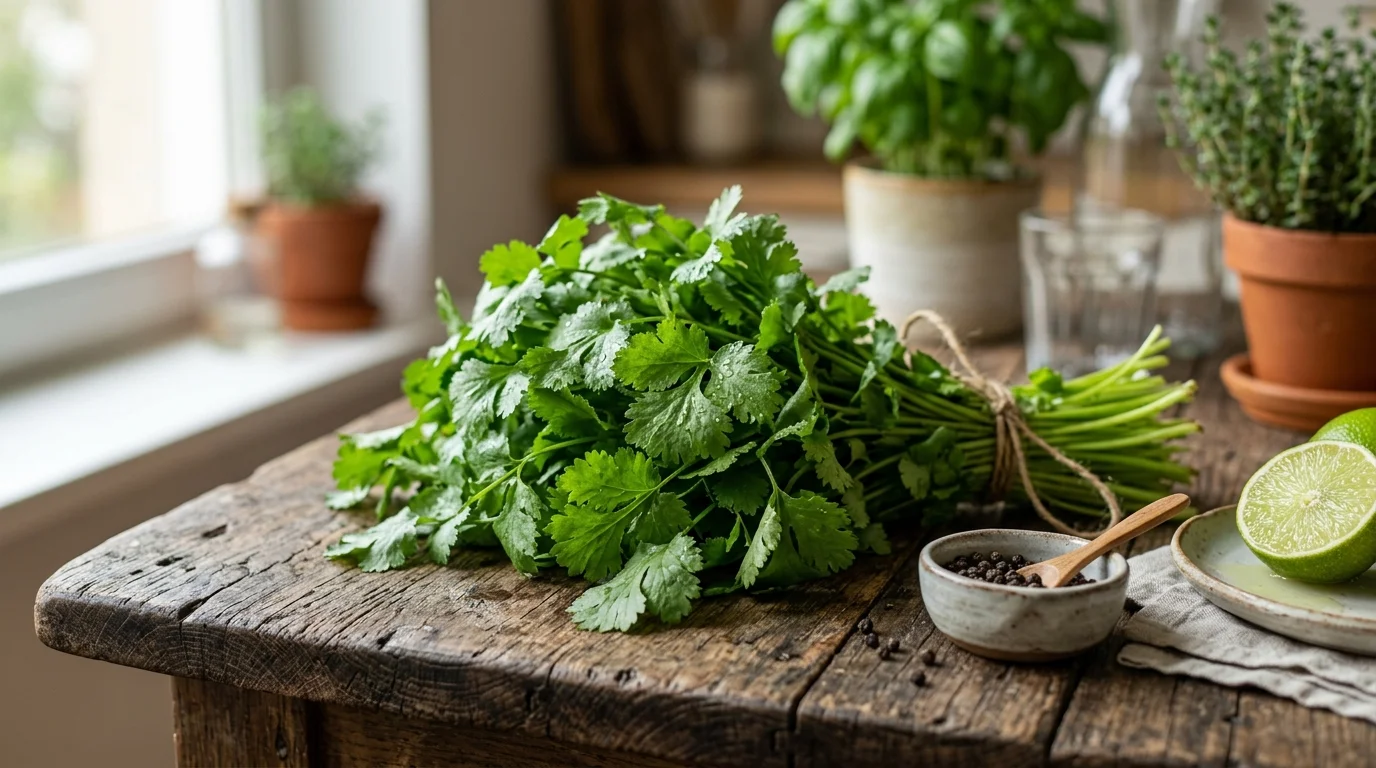
Koriandri has gained growing attention among health-conscious individuals because of its impressive nutritional profile and potential wellness benefits. Known scientifically as Coriandrum sativum, this herb has been used for centuries in traditional health practices and healthy diets across many cultures.
Rich in vitamins, minerals, antioxidants, and beneficial plant compounds, koriandri offers much more than flavor. Researchers continue to study its role in digestive wellness, cardiovascular health, blood sugar management, and overall nutrition. Whether consumed as fresh leaves, dried seeds, or herbal preparations, this versatile herb can be a valuable addition to a balanced lifestyle. This guide explores the science-backed health benefits of koriandri, its nutritional composition, traditional uses, potential risks, and practical ways to incorporate it into your daily routine.
Understanding Koriandri
Definition and Meaning
The term koriandri is commonly used as a regional variation of coriander, an aromatic herb cultivated for its leaves, seeds, and roots. Depending on the country, the fresh leaves may be called cilantro, while the dried seeds are referred to as coriander seeds. People searching for “what is koriandri” or “koriandri meaning” are often looking for information about its health benefits, nutritional value, and practical uses. Although the names differ, they all refer to the same versatile plant.
Scientific Name and Plant Family
The scientific name of coriander is Coriandrum sativum. It belongs to the Apiaceae family, which includes parsley, celery, fennel, and carrots. This herbaceous plant is known for its fragrant aroma, nutrient-rich leaves, and flavorful seeds. Every part of the plant can be used, making it one of the most valuable herbs in both nutrition and wellness.
Geographic Origins
Historians believe coriander originated in Southern Europe, North Africa, and Western Asia. Over time, it spread across India, the Middle East, Southeast Asia, and the Americas. Today, coriander is cultivated worldwide and remains an important ingredient in healthy diets and traditional wellness systems.
Historical and Cultural Significance of Koriandri
Ancient Civilizations That Used Coriander
Ancient Egyptians valued coriander for its culinary and medicinal uses. Archaeologists have discovered coriander seeds in Egyptian tombs, demonstrating its importance thousands of years ago. The Greeks and Romans also incorporated coriander into daily life. Historical records mention its use in food preparation, herbal remedies, and preservation methods.
Traditional Uses Across Cultures
Traditional wellness systems have long recognized coriander for its potential health-supporting properties. In Ayurvedic practices, coriander seeds have been used to support digestive health and balance the body. Many Middle Eastern cultures use coriander in herbal drinks, while Asian traditions often include it in wellness-focused meals.
Coriander in Modern Health Practices
Today, nutrition experts appreciate coriander because it adds flavor without excessive calories, sugar, or unhealthy fats. Its rich nutrient profile makes it a popular choice among people seeking healthier dietary habits.
Plant Anatomy of Coriander
Leaves
Fresh coriander leaves are bright green and highly aromatic. They contain vitamins, antioxidants, and beneficial plant compounds that support overall nutrition.
Seeds
The seeds contain essential oils, dietary fiber, and natural antioxidants. Many traditional wellness preparations use coriander seeds because of their nutritional properties.
Flowers
The small white flowers attract pollinators such as bees and butterflies. These flowers play an important role in maintaining biodiversity.
Roots
Although less commonly used in Western countries, coriander roots are popular in Southeast Asian cuisine and provide concentrated flavor and nutrients.
Nutritional Breakdown of Koriandri
Vitamin Content
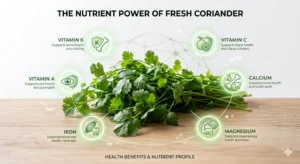
Fresh coriander contains several essential vitamins, including:
- Vitamin A
- Vitamin C
- Vitamin K
- Folate
These nutrients support immune function, vision, skin health, and normal body processes.
Mineral Composition
Coriander provides valuable minerals such as:
- Calcium
- Potassium
- Magnesium
- Iron
- Manganese
These minerals contribute to bone strength, muscle function, and cardiovascular health.
Antioxidant Compounds
One of the reasons koriandri is valued in healthy diets is its antioxidant content. It contains flavonoids, polyphenols, and essential oils that help protect cells from oxidative stress.
Compounds such as linalool contribute to its distinctive aroma and potential health benefits.
Low-Calorie Benefits
For individuals seeking nutrient-dense foods, coriander offers an excellent option. It provides vitamins and minerals while remaining naturally low in calories.
Evidence-Based Health Benefits of Koriandri
Digestive Wellness
Traditionally, coriander has been associated with digestive support. Many cultures use coriander seeds in herbal preparations designed to promote digestive comfort and overall gastrointestinal wellness.
Cardiovascular Support
Research suggests that coriander contains compounds that may support heart health. Its antioxidants and nutrient profile contribute to its reputation as a heart-friendly herb.
Blood Sugar Management
Several scientific studies have explored coriander’s potential role in supporting healthy blood sugar levels. While additional research is needed, early findings remain promising.
Anti-Inflammatory Properties
The antioxidants found in coriander may help reduce oxidative stress and support the body’s natural response to inflammation.
Antimicrobial Potential
Researchers have examined coriander extract for its antimicrobial properties. Certain plant compounds appear to demonstrate beneficial effects under laboratory conditions.
Skin and Hair Benefits
The vitamins and antioxidants present in coriander may support healthy skin and hair when consumed as part of a nutritious diet.
May Support Cholesterol Management
Some research indicates that coriander may contribute to maintaining healthy cholesterol levels. While it should not replace medical treatment, it can complement a healthy lifestyle.
Supports Hydration Through Coriander Water
In many traditional wellness practices, coriander water is consumed as a refreshing beverage. It remains popular among individuals interested in natural nutrition.
May Contribute to Healthy Skin
The antioxidant compounds found in coriander help protect cells from environmental stressors. This may support overall skin wellness when combined with healthy lifestyle habits.
How Koriandri Supports a Healthy Lifestyle
A Nutrient-Dense Addition to Daily Meals
Adding fresh coriander leaves to meals is an easy way to increase nutrient intake. The herb provides valuable vitamins and minerals without significantly increasing calorie consumption.
Supporting Healthy Eating Habits
Many people struggle to add flavor to meals without relying on excessive salt, sugar, or unhealthy fats. Coriander offers a natural alternative that enhances taste while supporting balanced nutrition.
Natural Source of Antioxidants
The antioxidants present in coriander help support the body’s natural defenses against oxidative stress. This makes it a useful addition to wellness-focused eating plans.
Easy Ways to Include Koriandri in a Wellness Routine
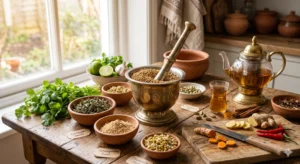
You can incorporate koriandri into your daily routine by:
- Adding fresh leaves to salads
- Using coriander powder in soups
- Preparing coriander seed tea
- Mixing it into smoothies
- Including it in homemade spice blends
Practical Ways to Use Coriander Daily
Salads
Fresh coriander leaves add a refreshing flavor to vegetable and grain-based salads.
Soups
A small amount of chopped coriander can enhance both flavor and nutritional value.
Smoothies
Health-conscious individuals often add herbs to smoothies for additional nutrients.
Herbal Drinks
Coriander seed tea remains popular among people interested in natural wellness practices.
Healthy Seasonings
Ground coriander can be used as a healthier seasoning option in home cooking.
Growing and Caring for Coriander
Indoor Gardening Tips
Coriander grows well in containers placed near sunny windows. Well-drained soil and moderate watering encourage healthy growth.
Outdoor Gardening Tips
Choose a location with fertile soil and partial sunlight. Regular harvesting helps maintain plant productivity.
Pest Prevention
Proper spacing and air circulation help reduce common garden pests and diseases.
Harvesting Techniques
Leaves can be harvested throughout the growing season, while seeds should be collected after they fully mature.
Storage, Preservation, and Shelf Life
Fresh Storage Methods
Store fresh coriander leaves in the refrigerator and use them within several days for maximum freshness.
Drying Techniques
Drying allows you to preserve coriander leaves and seeds for longer periods.
Freezing Methods
Freezing helps retain flavor and extends shelf life without significant nutrient loss.
Signs of Spoilage
Discard coriander if it becomes slimy, discolored, or develops an unpleasant odor.
Potential Risks and Considerations
Although coriander is generally considered safe, some individuals may experience allergic reactions.
People taking medications or managing health conditions should consult a healthcare professional before making significant dietary changes. Moderation remains important when adding any herb to a wellness routine.
Koriandri and Modern Nutrition
Why Nutrition Experts Value Herbs
Herbs provide flavor, nutrients, and beneficial plant compounds without contributing significant calories. This makes them useful tools for improving dietary quality.
The Role of Plant Compounds
Coriander contains flavonoids, polyphenols, and essential oils that contribute to its nutritional value and potential health-supporting properties.
A Simple Addition to Balanced Diets
Whether added to salads, soups, smoothies, or herbal teas, koriandri provides a simple way to enhance both flavor and nutrition.
Lesser-Known Facts About Coriander
Why Some People Taste Soap
A fascinating aspect of coriander is that certain individuals perceive its flavor as soapy. This reaction is linked to genetics rather than personal preference.
Genetic Influence on Flavor Perception
Scientists have identified specific gene variations that influence how people experience the taste and aroma of coriander.
Interesting Botanical Facts
Coriander is one of the few plants classified as both an herb and a spice. The leaves are considered an herb, while the seeds are categorized as a spice.
FAQs
What Is Koriandri Used For?
Koriandri is commonly used in healthy diets, herbal preparations, seasoning blends, and wellness-focused recipes.
Is Koriandri Healthy?
Yes. It contains vitamins, minerals, antioxidants, and beneficial plant compounds that support overall nutrition.
Can Koriandri Help Digestion?
Traditional wellness systems have long used coriander to support digestive comfort and gastrointestinal health.
Is Koriandri Good for Heart Health?
Its nutrient profile and antioxidant content suggest potential cardiovascular benefits when included as part of a balanced diet.
How Do You Store Fresh Coriander?
Store fresh coriander in the refrigerator and use it within several days for the best quality.
Is Koriandri and Cilantro the Same Thing?
Yes. Cilantro generally refers to the fresh leaves, while coriander usually refers to the seeds. Both come from the same plant.
Which Part of the Plant Is Edible?
The leaves, seeds, and roots can all be used in cooking and various wellness practices.
Conclusion
Koriandri is much more than a flavorful herb. Its combination of vitamins, minerals, antioxidants, and beneficial plant compounds makes it a valuable component of a healthy lifestyle. From digestive wellness and cardiovascular support to antioxidant protection and nutritional enrichment, coriander offers a wide range of potential benefits.
Although it should not replace professional medical advice or treatment, incorporating coriander into a balanced diet can be a simple and enjoyable way to support overall well-being. As interest in natural nutrition continues to grow, this versatile herb remains a timeless choice for people seeking healthier living.





Leave a Reply