

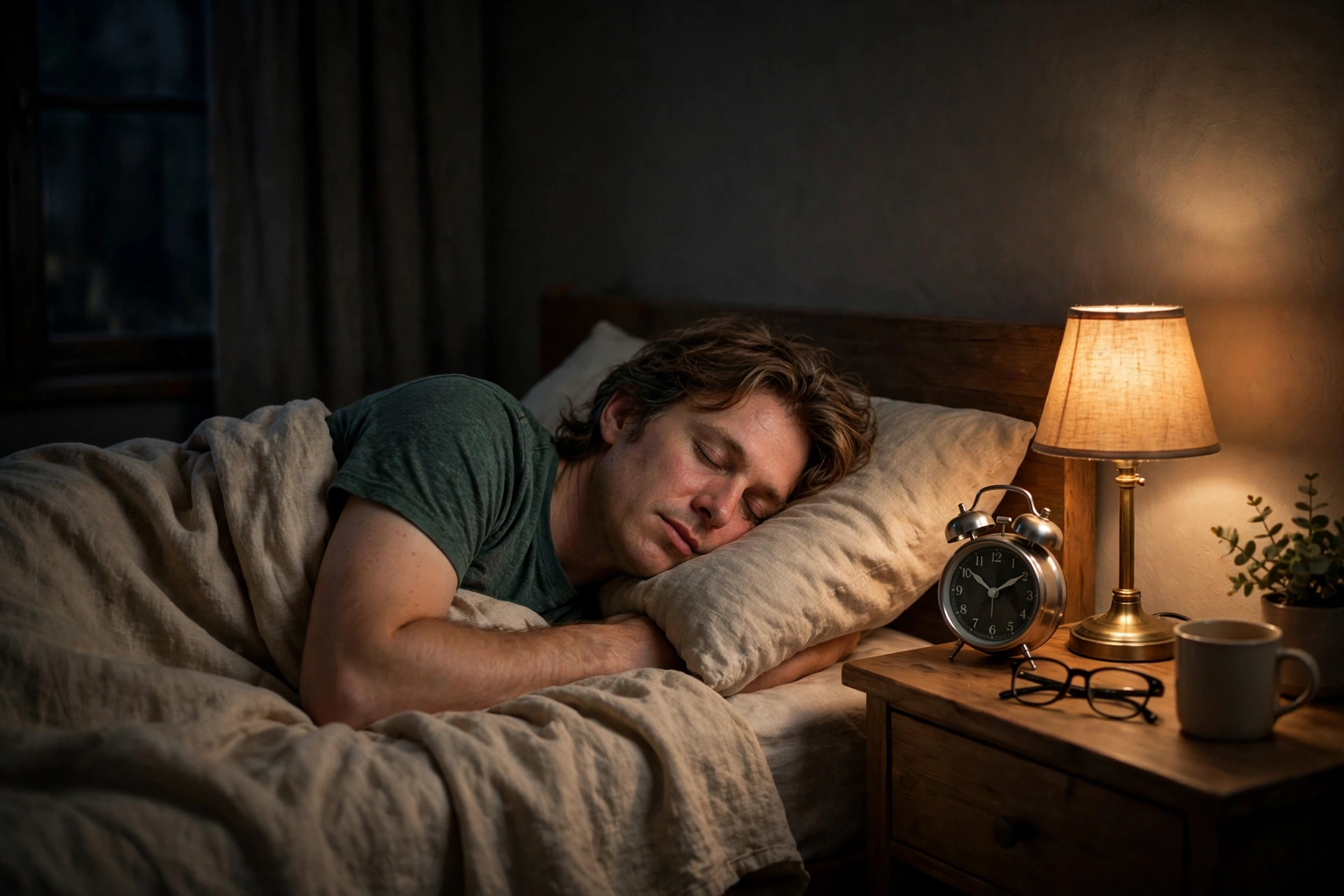
Sleep apnea symptoms often go unnoticed for years. Many people snore loudly, wake up tired, and blame a busy life. Yet the real cause may sit in a sleep problem that a GP can help with. This guide explains the warning signs and shows how to sleep better at night. You will also learn when to book a GP appointment.
What Are Sleep Apnea Symptoms?
Doctors call the most common type obstructive sleep apnoea, or OSA for short. In OSA, the airway narrows again and again while you sleep. Breathing stops for a few seconds, then starts again with a gasp or snort.
The NHS lists four main night-time signs. First, your breathing stops and starts. Second, you make gasping, snorting or choking noises. Third, you wake up a lot during the night. Fourth, you snore loudly.
Daytime signs matter too. Sleep apnea symptoms often show up as extreme tiredness during the day. You may also find it hard to concentrate. Mood swings and morning headaches can follow. A partner often spots the night signs first, so ask them what they hear.
A rarer type, central sleep apnoea, works differently. In that type, the brain briefly stops sending the signal to breathe. Most cases, however, involve the blocked airway of OSA.
Why Sleep Matters If You Have Sleep Apnea Symptoms?
So why is it important to sleep? Sleep helps your brain store memories and clear the clutter of the day. It also steadies your mood and sharpens your focus for the next morning. Good sleep supports your immune system and your heart too.
Poor sleep, on the other hand, leaves you tired, irritable and slow to think. That is why sleep apnea symptoms deserve attention, not a shrug. They steal deep sleep night after night, and your whole day pays for it. Fix the sleep, and your energy, mood and focus often follow.
What Is REM Sleep and Why Does It Matter?
REM stands for rapid eye movement. During REM sleep, your eyes move quickly, and most of your dreams happen here. Your brain stays active, while your muscles stay relaxed. That muscle stillness stops you from acting out your dreams.
REM sleep also helps your brain process emotions and memories. You cycle through REM several times a night, with longer stretches near morning. So, a broken night often cuts your REM short. As a result, you wake up groggy even after hours in bed.
How to Sleep Better at Night With Sleep Apnea Symptoms
Start with one fixed wake time, seven days a week. A steady wake time sets your body clock better than a fixed bedtime does. Next, get daylight early in the day. Morning light tells your brain that the day has started.
Then, set a caffeine cutoff in the early afternoon. Caffeine can keep working for up to eight hours after your last cup. In addition, keep your bedroom cool, dark and quiet. Around 18°C suits most people, with heavy curtains or a sleep mask for light. Also, switch screens off an hour before bed. Bright screens push your brain toward wakefulness, not sleep.
Finally, wind down with the same calm routine each night. These small changes add up, and they answer how to improve sleep quality better than any gadget.
Is 6 Hours Sleep Enough?
So, is 6 hours sleep enough? For most adults, the answer is no. Health guidance points to seven or more hours a night for adults. Six hours may get you through one busy day. Over weeks, though, the shortfall builds into tiredness and poor focus. Treat seven hours as your floor, not your target.
How Can You Fall Asleep Fast?
First, build a wind-down hour before bed. Dim the lights, put work away, and pick a calm activity. A warm bath or shower helps too, about an hour before bed.
Then, try slow breathing once you lie down. Breathe in for four counts, hold for four, and breathe out for six. If your mind still races, do not fight it. Instead, get up after about 20 minutes and do something quiet. Read a dull book or listen to soft music until sleepiness returns.
This 20-minute rule breaks the link between your bed and worry. Over time, your brain learns that bed means sleep.
Sleep Apnea Symptoms or Just Snoring? How to Fight Snoring
Loud snoring alone does not prove sleep apnea symptoms. But snoring with pauses in breathing is a red flag. Side sleeping often quiets snoring, because the tongue stays forward. A raised pillow can help too, by keeping the airway open.
Some people prefer back sleeping for neck pain, so they ask how to sleep on your back without snoring. The honest answer is that side sleeping still works better for snoring.
What about a snore nose spray? A snore nose spray aims to open blocked nasal passages. It may help if a stuffy nose drives your snoring. It will not fix sleep apnoea, however, so do not rely on it alone. If you also gasp or stop breathing at night, book a GP appointment.
Waking Up at 3 AM and Other Common Sleep Problems
Waking up 3 am, night after night, usually points to stress or a broken routine. A noisy room, late caffeine or a bright screen can do it too. First, check the basics: a dark room, a cool room, and no screens late. Then, keep the same wake time, even after a bad night.
Sleep deprivation symptoms build up fast when nights stay short. They include heavy tiredness, poor concentration, mood swings and morning headaches. When poor sleep lasts for weeks, doctors may describe it as one of the insomnia sleeping disorders. Short-term insomnia often follows stress or a change in routine. Long-term insomnia needs a proper plan, not just willpower. The next section covers that plan, plus two other conditions worth knowing.
Sleep Paralysis, Narcolepsy and CBT-I
What Is the Cause of Sleeping Paralysis?
Sleep paralysis happens when your mind wakes before your body does. During REM sleep, your muscles stay relaxed so you cannot act out dreams. If you wake during this stage, you may feel unable to move for a few seconds. Stress, irregular sleep and back sleeping can trigger an episode. The feeling frightens most people, but it usually passes quickly. Steady sleep times and less stress lower the odds.
Narcolepsy Symptoms
Narcolepsy symptoms include extreme daytime sleepiness and sudden sleep attacks. Some people also lose muscle strength for a moment when they laugh. These signs differ from ordinary tiredness, so take them seriously. Only a sleep specialist can confirm the diagnosis, so start with your GP.
CBT-I: The Talking Therapy for Insomnia
CBT-I stands for cognitive behavioural therapy for insomnia. It teaches new sleep habits and tackles the thoughts that keep you awake. Health guidance recommends CBT-I first for long-term insomnia, before any sleep medicine. A GP can refer you for it.
A Method of Relaxation That Helps
A simple method of relaxation can calm a busy mind at bedtime. Slow breathing works well: breathe in for four, hold for four, breathe out for six. Gentle stretching helps too, and these partner yoga poses make a calm evening routine for two. Repeat it nightly, and your body will learn the cue.
What About Meds to Sleep?
What about meds to sleep? Talk to your GP or pharmacist before you take anything for sleep. Some products can help for a short time, but they can also leave you groggy. A GP can weigh the options and check for other causes first.
When Sleep Apnea Symptoms Mean You Should See Your GP
If you notice sleep apnea symptoms most nights, do not wait months to act. Book a GP appointment if you snore loudly and gasp or stop breathing. The same applies if you feel sleepy while driving or at work. The NHS advises people with these signs to see a GP promptly.
Your GP may ask about your sleep pattern and use a short questionnaire. A sleep study can confirm the diagnosis if your GP thinks you need one. If a doctor diagnoses sleep apnoea, tell the DVLA, because the rules cover driving safety.
FAQs
What are the most common sleep apnea symptoms?
The most common sleep apnea symptoms are loud snoring, pauses in breathing, and gasping noises at night. During the day, look for extreme tiredness, poor concentration, mood swings and morning headaches.
How can you fall asleep fast when your mind races?
Build a wind-down hour, dim the lights, and try slow breathing in bed. If you still lie awake after about 20 minutes, get up and do something calm until sleepiness returns.
Is 6 hours sleep enough?
For most adults, no. Aim for seven or more hours a night, and treat six hours as an occasional short night, not a habit.
Does a snore nose spray cure sleep apnoea?
No. A spray may ease a blocked nose, but it cannot fix sleep apnoea. If you gasp or stop breathing at night, see your GP.
What is CBT-I?
CBT-I is a talking therapy for insomnia. It retrains sleep habits and tackles unhelpful thoughts about sleep, and health guidance recommends it first for long-term insomnia.
Better sleep starts with small steps. Learn the signs, build a steady routine, and ask your GP for help when the signs point that way.







Leave a Reply