


This is where the term Enterprise comes into play, the buzzword that is attracting so much attention in today’s business world. Not a buzzword, this is a set of tools, strategies, and technology that will shape the destiny of businesses in various industry fields.
In this blog post, we will explain what Interprice is, what its advantages are, and how it can affect modern business organizations.
What is Interprice?
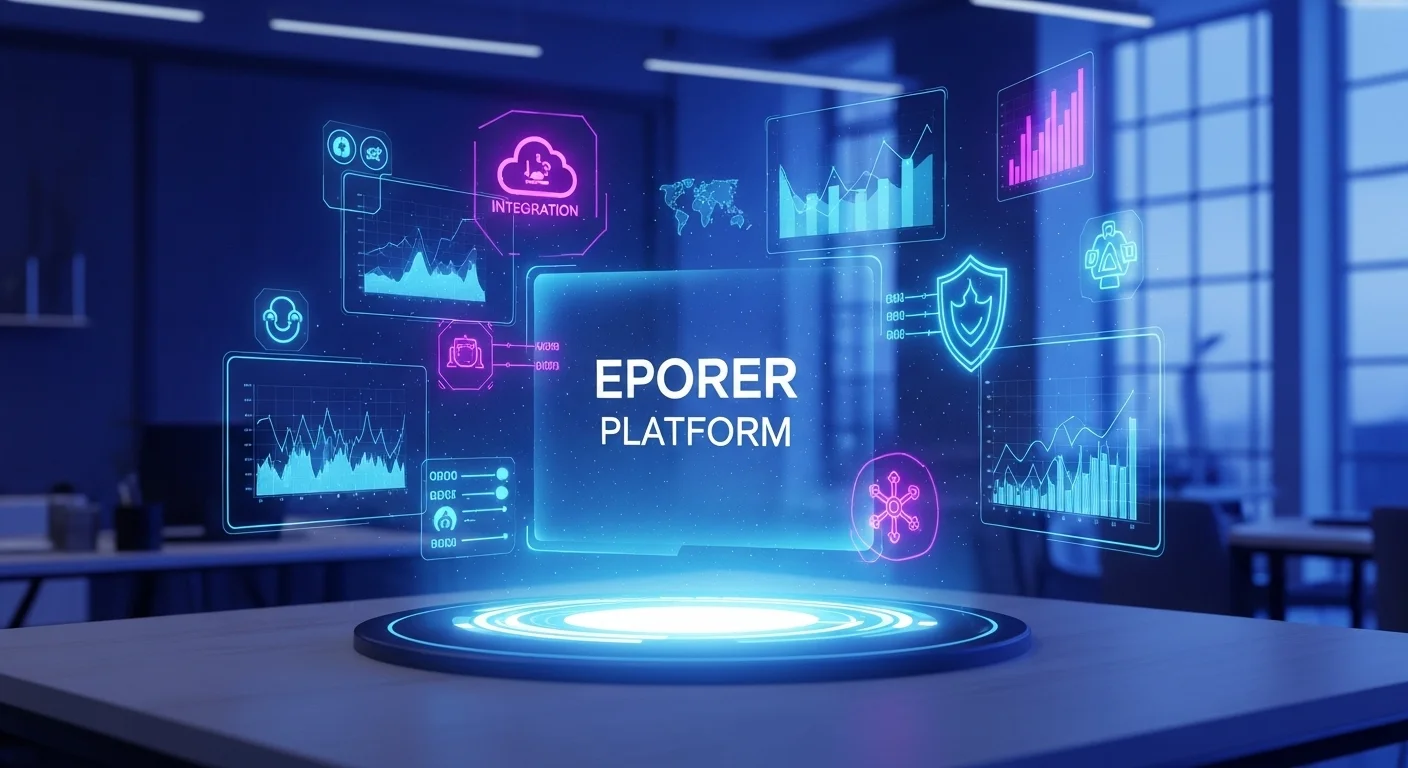
Interprice is a combination of integrated systems, platforms, and processes that optimize business functions. Its focus is on creating an interconnected network of tools, resources, and strategies working together. Unlike traditional methods where departments or operations work in silos, Interprice attempts to unify the processes in a more cohesive approach.
At its core, Interprice is the use of state–of-the-art technologies like cloud computing, artificial intelligence. Organizations that embrace these technologies can break down traditional barriers and unlock new levels of productivity and innovation.
Benefits of Interprice for Businesses
Businesses that adopt Interprice strategies can enjoy a wide range of benefits. Some of the most significant advantages include:
- Improved Efficiency
Interprice helps to coordinate departments so that tasks are accomplished in the most efficient manner possible. In addition, automation of repetitive work frees up valuable employee time for more strategic activities. - Cost Savings
Interprice can help a company cut down on its operating costs, waste minimization, and resource management. Connected systems will allow companies to enhance their supply chains and therefore, reap considerable cost savings. - Better Customer Experience
Interprice has, thus, come to make real-time available customer behavior, preferences, and pain points concerning businesses, helping them provide solutions that would match expectations, resulting in higher satisfaction and loyalty.
4 Improved decision-making
Interprice aggregates data from various sources to allow leaders to gain a holistic view of their operations and market conditions. Such an all-rounded view helps enhance decision-making, which helps businesses respond better to changes in conditions. - Scalability
Interprice solutions are built to scale with a business. Whether a company is expanding into new markets, launching new products, or increasing its workforce, Interprice platforms can easily accommodate growth.
How Interprice is Changing the Game in Different Industries
Interprice doesn’t belong to a specific industry. Its usage extends to numerous sectors and is beneficial for firms in every domain. Let‘s see how various sectors utilize it to ensure growth and efficiency.
- Healthcare
In the healthcare industry, Interprice solutions are transforming patient care and reducing costs. By integrating electronic health records (EHR), appointment scheduling, billing systems, and patient communication platforms, healthcare providers can streamline their operations and improve patient outcomes. Sharing among healthcare professionals allows for more accurate diagnoses and better treatment plans, leading to enhanced patient care.
2. Manufacturing
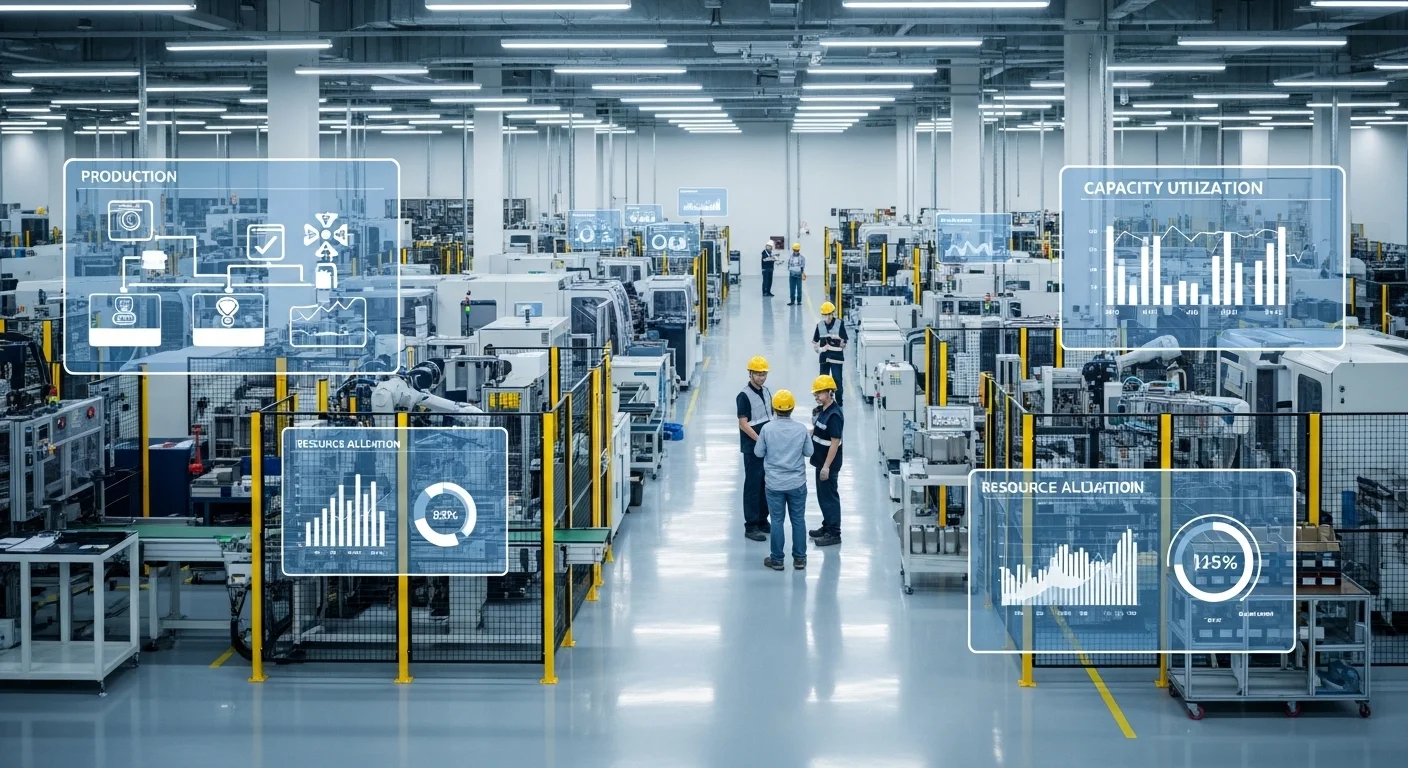
Manufacturers embrace the Interprice platforms to optimize production lines, reduce downtime, and ensure quality products. Supply chain networks, and quality control measures can be connected so that manufacturers can trace the whole process of production in real-time. This stage will detect and solve the problem faster and increase productivity with less waste. - Financial Services
Financial institutions are adopting Interprice solutions manage risk, and streamline operations. They combine transaction processing, fraud detection, customer onboarding, and regulatory compliance, banks and financial firms can offer more efficient and secure services to their clients. - Education
Schools are using Interprice to help their students learn better and communicate with students, teachers, and parents to be more productive. Schools and universities that integrate LMS, SIS, and communication can offer a more streamlined, personalized learning experience for their students.
Key Technologies That Drive Interprice Solutions
Several emerging technologies have transformed how businesses operate and form the backbone of Interprice growth. Let‘s take a closer look at the most influential technologies shaping the future of Interprice.
- Cloud Computing
Cloud computing allows businesses to store and access data and applications over the internet instead of relying on on-premises infrastructure. It means that organizations can quickly and cost-effectively scale up their operations. Solutions built on enterprise, with cloud platforms, empower businesses to access data from any point, which leads to improved collaboration, faster decision-making.

- Artificial Intelligence
It plays a crucial role in automation, improving customer service, and analyzing large data. Interprice solutions using AI and machine learning algorithms as well as natural language processing can help businesses predict their customers’ behavior, tailor marketing, and make work processes easier. Moreover, AI can improve decision-making as it can provide valuable insights based on historical data.
3. Data Analytics
Businesses in search of making data-based decisions need data analytics.This data can improve forecasting, optimize processes, and identify new growth opportunities. - Internet of Things (IoT)
The Internet of Things (IoT) is a network of connected devices that communicate with each other and share data. By integrating IoT devices into Interprice solutions. For example, in manufacturing, IoT sensors can monitor equipment performance, while in retail, IoT-enabled devices can track inventory levels and customer preferences. - Automation
Key technologies within Interprice Solutions are automation technologies, such as robotic process automation. Automation will assist businesses in improving efficiency in data entry, order processing. It frees the employees to focus on other high-value activities such as strategic planning and innovation.
How to Implement Interprice in Your Organization
Adopting an Interprice strategy involves integrating various systems, technologies, and processes. Here are some key steps businesses can take to implement Interprice in their operations:
- Assess Your Current Systems
First of all, evaluate processes before introducing new technologies or strategies. Look for opportunities to integrate the areas that will reduce redundancies. This way, you will know exactly what you need to upgrade or replace. - Select Right Technologies
Choose technologies that suit your business, including its needs and goals. Be it cloud computing, artificial intelligence, or data analytics, you should ensure your solutions can easily integrate well with the existing infrastructure; otherwise, it will end up with a rough, unsmooth transition and might not make the most out of Interprice. - Facilitate Communication Across Teams
A cross-functional team can be encouraged to put together all stakeholders on the same page. Thus, break the silo mentality and bring people together to ensure a more aligned business function. - Train Employees
Introduce new technologies and processes using proper training. Have proper training on the implementation of new systems and benefit understanding of Interprice from the employees. Ongoing support and training will always guarantee the successful implementation of having successfully implemented the solutions - Monitor and optimize
After implementing Interprice solutions, it is important to continuously monitor their performance. Use data analytics to track progress and identify areas for further optimization. Regularly assess your systems to ensure they are meeting your business goals and make adjustments as needed.
Conclusion
Interprice is shaping the future of business through interconnectedness innovation. Businesses can compete in a constantly changing marketplace with the help of advanced technologies.
If your business hasn‘t yet embraced the power of Interprice, now is the time to start. You can unlock the full potential of your organization by taking small steps to integrate your systems, setting yourself up for long-term success.







Leave a Reply