

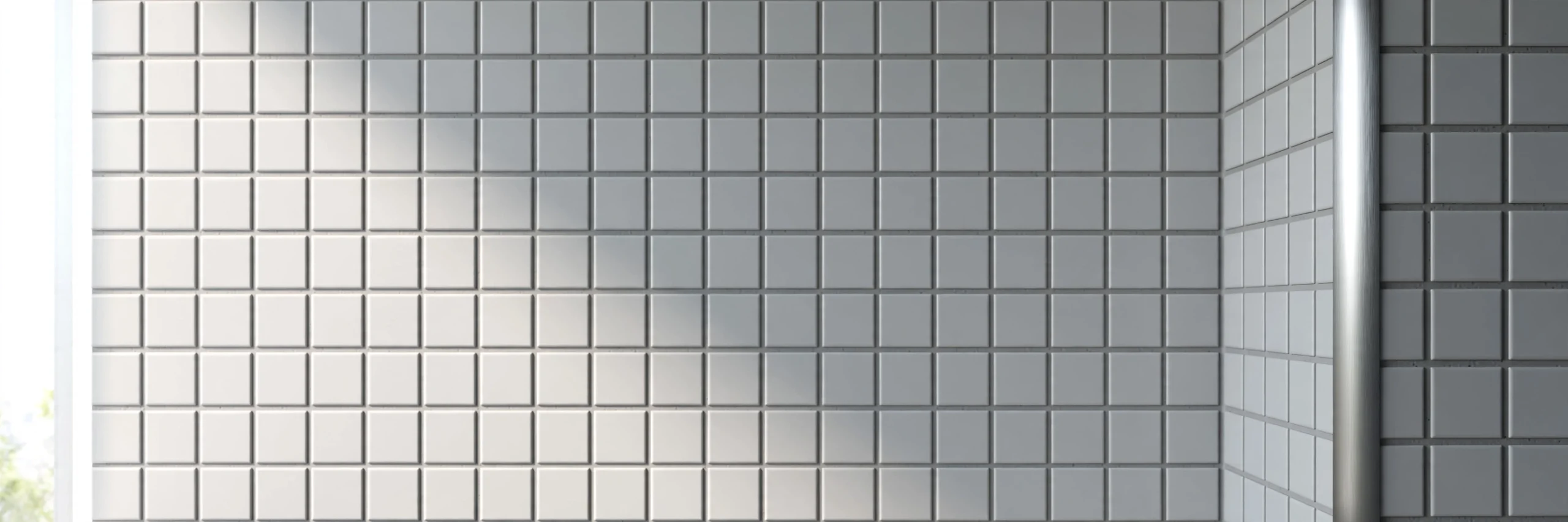
Tile grout fills the joints between tiles, locks them in place, and keeps water out of the gaps. Trims protect exposed tile edges, and sealer guards the joints in wet areas. Overall, these three finishes decide how a tiled floor or wall looks, and how long it stays sound.
The colour of the joints changes the whole look of a room. In addition, the trim sets the edge detail. Finally, the sealer you pick affects upkeep in showers and wet rooms.
Tile Grout: What It Does and Why It Matters
Tile grout does three jobs at once. First, it fills the gaps, it holds the tile edges steady, and it stops water from reaching the surface below. Without it, dirt and moisture would collect in every joint.
For example, a kitchen splashback needs joints that wipe clean with ease. A shower wall needs joints that resist constant water. Each room asks something different from the same material.
In fact, cement-based filler suits most homes, and it comes as powder or ready-mixed. Ready-mixed filler suits small jobs and first-time users. Powder suits larger floors, since you mix only what you need. However, follow the pack instructions for mixing and drying.
Tile Grout Colours: Grey, Light Grey and Black
Indeed, colour changes the look more than most people expect. A matching colour makes tiles look like one large surface.
Light grey grout suits pale tiles and busy patterns. It hides dust better than white, and it keeps the finish soft. Likewise, grey suits mid-tone tiles and stone-look floors, and it hides marks in hallways and kitchens. Black suits bold schemes and dark tiles. For instance, black and white tile with black grout gives a sharp graphic look in a bathroom or hallway.
However, dark filler can stain pale tiles, so test it first. Apply a small trial patch on a spare tile, then wipe it clean. If the tile marks, choose a lighter shade instead. On the other hand, white filler shows dirt fast in wet areas, so weigh looks against upkeep. US guides call the mid shade grout gray, while UK packs call it grey.
Tile Trims, Edge Trims and Corners
A tile edge trim covers the raw edge of a tile where it ends. It gives a neat finish on window reveals and splashback ends.
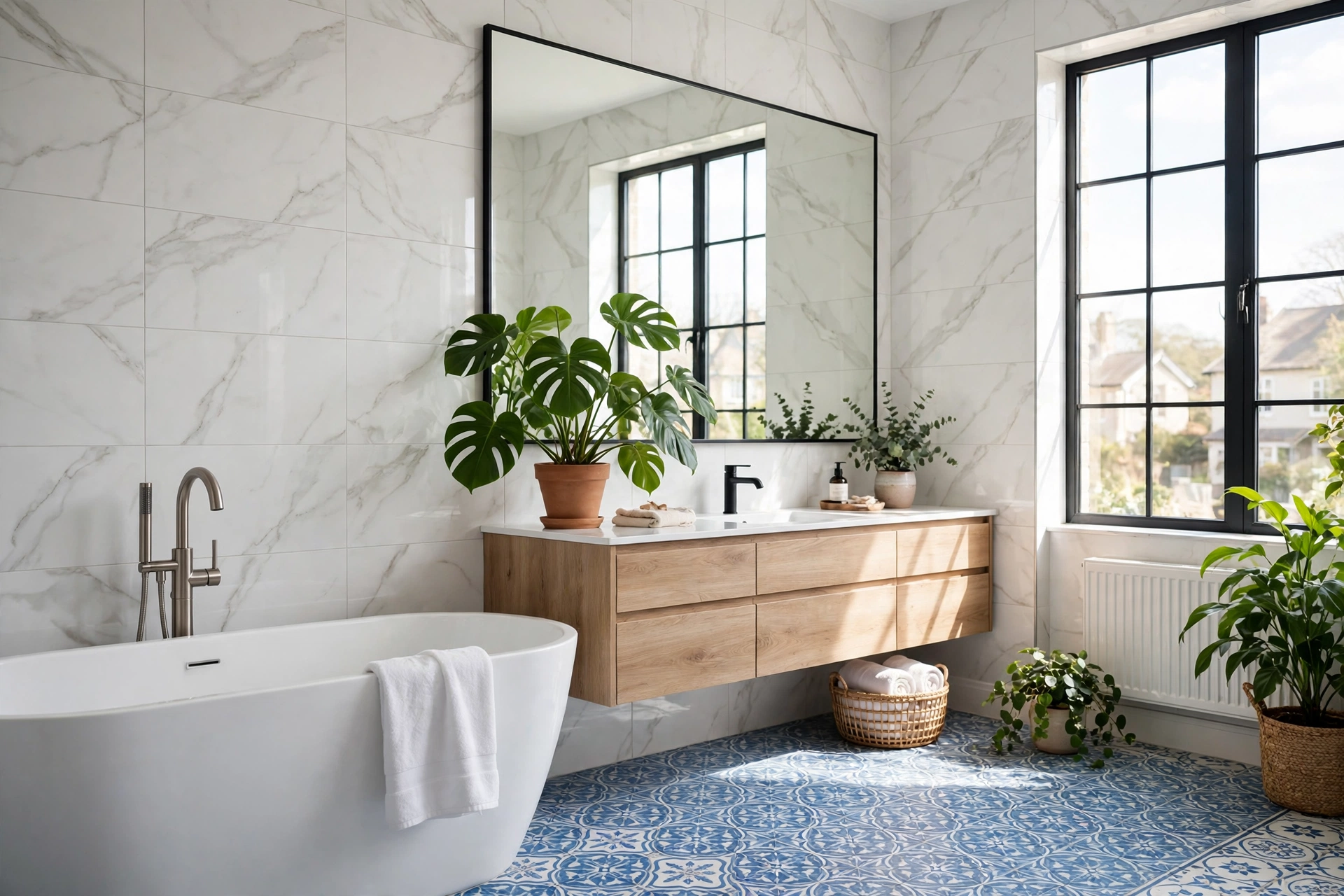
Tile trims come in metal, plastic, and tile-effect finishes. For example, metal suits modern bathrooms and kitchens. Plastic suits utility rooms and budget jobs. In addition, ceramic tile edging strips match glazed tiles and give a softer edge.
A tile trim edge can sit flush with the tile face or stand slightly proud. Flush suits walls, while a slight lip suits floors. For corners, use a corner trim for tiling that bends or mitres neatly. Tile trim and corners need care, since a poor joint spoils the whole run. Furthermore, corner tile trim comes in round and square profiles. Round profiles suit family bathrooms, while square profiles suit sharp modern schemes.
Black tile trim suits dark schemes, pairs well with black taps, and hides scuffs better than chrome. Edging trim also works as a neat edge trim on worktops and stair nosings. Some shops list tile trim tiles as matching sets. Finally, match the trim to the tile or to the fittings, not to the joints, for the cleanest result.
Tile Grout Sealing: Which Tile Sealer to Choose
Grouting and sealing go together in wet rooms. Sealer soaks into the joints and blocks water, stains, and mould.
For instance, a tile sealer coats the tile face as well as the joints. A tiling sealer for joints alone suits glazed tiles, which need no face coat. In addition, a tile sealant for joints around baths and trays stays flexible where tiles meet other surfaces. Tile grout in a shower needs a bathroom-rated product, so check the pack before you buy.
Penetrating sealer soaks in, leaves no shine, and suits natural stone and matt tiles. Topical sealer sits on the surface, adds a sheen, and suits floors that need extra stain defence.
Do not trust a single reseal interval from any one guide, since sources disagree. Instead, watch the joints. When water stops beading and the joints darken fast, reseal them. In fact, follow the pack drying time and leave the room unused until the coat sets.
Wet Room Flooring, Shower Trays and Sealing
Wet room flooring needs full sealing, since water runs across the whole floor. Meanwhile, the floor falls to a drain, and every joint must resist standing water. In addition, the walls need sealing up to splash height at least.
A tiled shower tray gives a level entry. It needs a shower tray seal where the tray meets the wall tiles. Use a flexible sealant there, since the joint moves slightly. Furthermore, a rigid filler would crack in that joint.
A tileable shower tray takes tiles on its top surface. Seal the tray joints as you would a shower floor. In addition, seal the tray edge where it meets the wall. Overall, treat the tray as part of the wet zone, not as a dry floor.
Cleaning Tile Grout, Mould and Re-Grouting
Use a pH-neutral cleaner for weekly cleaning. For example, spray the joints, leave the cleaner briefly, then scrub with a soft brush.
Unfortunately, mould grows where joints stay damp. Improve airflow first, then clean the joints. Next, open a window or run the extractor fan after showers. In addition, dry the joints with a towel in small showers. If mould returns fast, reseal after a deep clean.
Re-grout only the damaged joints, not the whole room. First, rake out the loose filler with a grout rake. Next, vacuum the dust from the joints. Then press fresh tile grout in with a float and sponge off the haze. Finally, leave it to set and seal it once the pack says it is ready. Do not grout over old grout, since the new layer bonds poorly and flakes off.
Epoxy Grout, Cracking and How Long Joints Last
Epoxy filler uses resin instead of cement. It resists water, stains, and chemicals better than cement filler. For instance, it suits wet rooms and busy family showers. However, it sets fast and costs more, so it suits confident users or a tradesperson. In addition, cleanup needs care, since cured resin is hard to remove from tile faces.
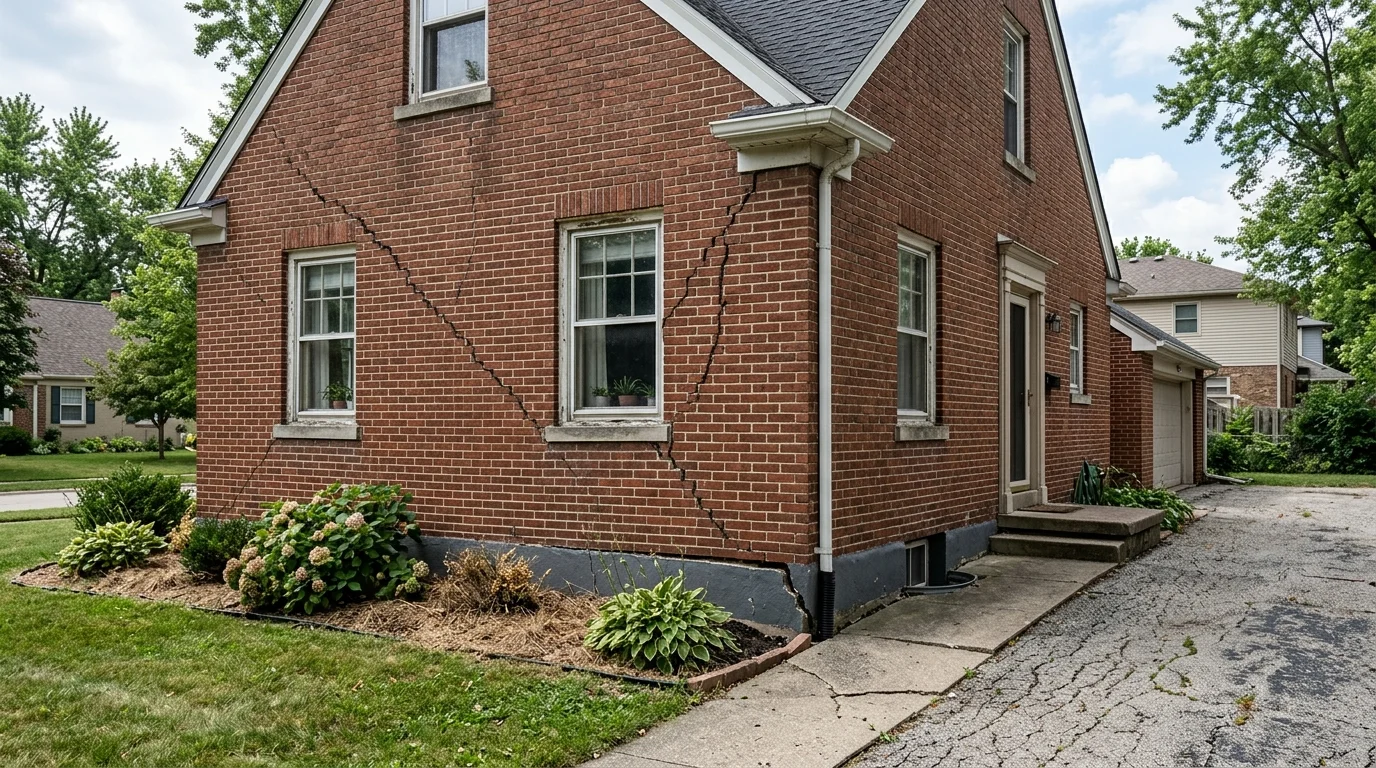
Cracks appear for clear reasons. Movement in the floor, a flexible joint filled with rigid filler, or a mix with too much water can all cause cracks. Furthermore, tiles laid on a bouncy floor will crack their joints again. Fix the cause first, then re-grout the joint. Otherwise, the crack returns.
How long joints last depends on use, water, and care. Watch for crumbling, stains that will not clean, and loose tiles. When several joints fail at once, re-grout the whole area. If the floor itself moves, seek a tradesperson before you re-grout.
How Much Material You Need and What It Costs
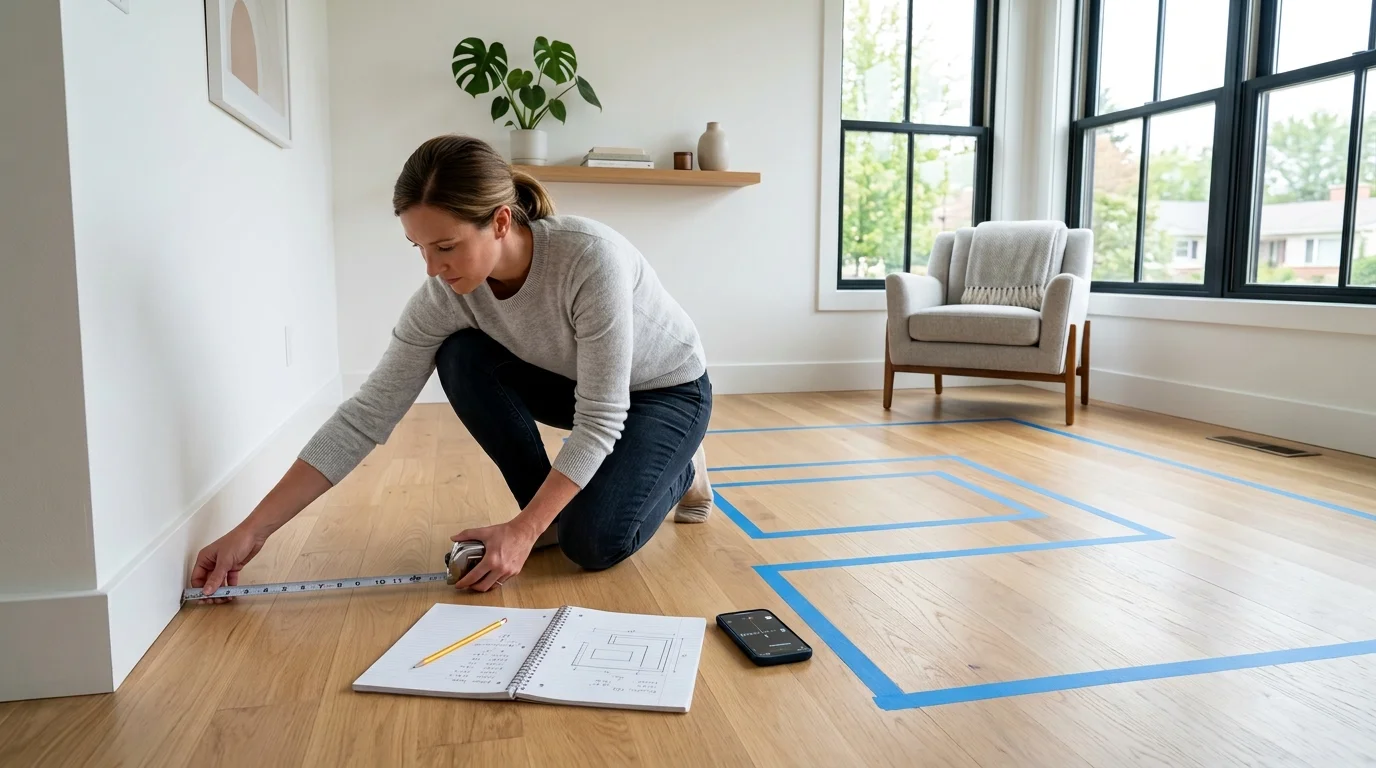
First, work out the joint length before you buy. Count the tiles, then add up the joints between them. Small tiles mean more joints, so they need more filler, while large tiles need less.
Check the coverage stated on the pack. It tells you how far one bag or tub goes. In addition, buy a spare tub for touch-ups, since batch colours can vary.
In addition, costs vary by brand, pack size, and stockist. A small bathroom costs far less than a large wet room. In addition, epoxy costs more than cement filler. If the room has a timber floor elsewhere, our laminate flooring guide shows how to match the tiled area with the rest of the room. Finally, compare a few UK stockists before you buy.
Frequently Asked Questions: Colour, Sealing and Cleaning
What colour grout should I use with white tiles? Use light grey for a soft look, white for a seamless look, or black for a bold outline.
Should I use grey grout or white grout in a bathroom? Use grey in busy bathrooms, since it hides marks better than white.
Does black grout stain white tiles? It can stain pale or matt tiles, so test a patch first and wipe it off at once.
What is the best grout colour for floor tiles? Use a mid-grey for most floors, since it hides dust and marks.
Do I need to seal tile grout? Yes, seal the joints in showers, wet rooms, and splashbacks.
How often should I seal grout in a shower? Reseal when water stops beading and the joints darken fast after use.
How long after grouting should I seal the grout? Wait until the pack says the joints are fully set.
What is the best tile sealer for bathroom tiles? Use a penetrating sealer for stone and matt tiles, and a bathroom-rated seal for tiles in showers.
How do I clean dirty grout between tiles? Spray a pH-neutral cleaner, scrub with a soft brush, then rinse well.
How do I remove mould from grout in a shower? Clean the joints, improve airflow, and dry them after use. Reseal once they are dry.
Frequently Asked Questions: Trims, Trays and Wet Rooms
Can I grout over old grout? No, rake out the loose material first, then fill the joint with fresh filler.
How do I re-grout shower tiles? Rake out the damaged joints, vacuum the dust, press in fresh filler, then seal once set.
What is tile edge trim and do I need it? It covers raw tile edges for a neat finish. You need it wherever a tile edge stays visible.
How do I fit corner trim for tiling? Cut the trim to length, bed it in adhesive as you tile, then mitre the corners neatly.
What is the best tile trim for shower corners? Use a round metal profile for family showers, since it wipes clean and resists knocks.
Should tile trim match the tile or the grout colour? Match the trim to the tile or the fittings for the cleanest look.
How do I seal a shower tray to tiles? Use a flexible sealant in the joint where the tray meets the tiles.
What is a tileable shower tray? It is a shower tray made to take tiles on its top surface, with a level entry.
Do wet room floors need sealing? Yes, seal every joint on a wet room floor, since water runs across the whole surface.
How do I seal a tiled shower tray? Seal the tile joints on the tray, then seal the tray edge where it meets the wall.












Leave a Reply