

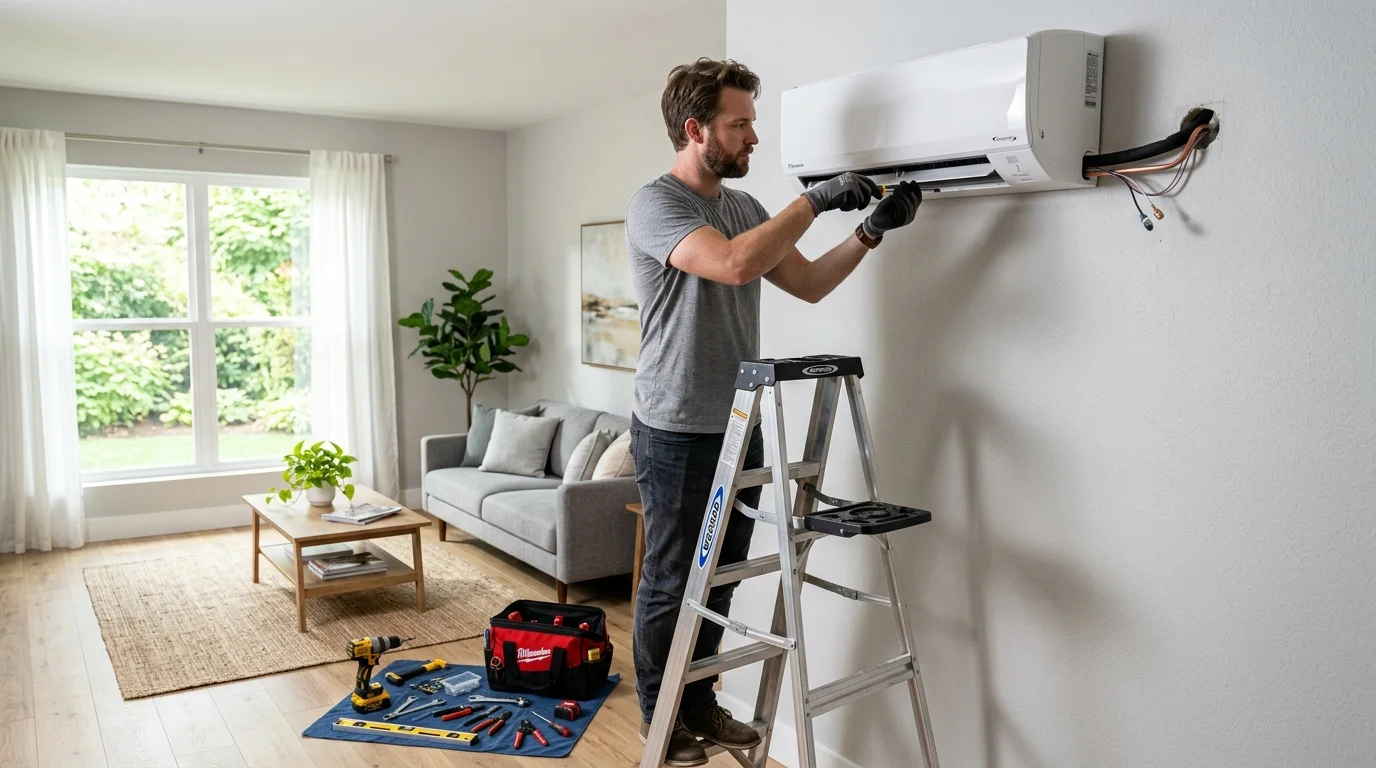
Keeping your home cool during hot weather starts with choosing and installing the right air conditioner. Many homeowners search for practical ways to improve indoor comfort while lowering energy consumption. That is why understanding the process of installing a ac unit correctly is so important.
Whether you plan to install a portable air conditioner, a window AC, or a split system air conditioner, proper installation directly affects cooling efficiency, airflow, and long term system performance. Poor installation can increase electricity bills, reduce cooling capacity, and even shorten the lifespan of your HVAC system.
This guide explains every important step in simple language so beginners can understand the full AC installation process. You will learn about different air conditioning systems, required tools, safety precautions, common installation mistakes, and ways to improve energy efficiency after setup.
Understanding Different Types of AC Units
Before starting any air conditioner installation project, it is important to understand the different cooling systems available for residential use. Every system has unique installation requirements, cooling performance, and energy efficiency levels.
Window AC Units
Window AC units are among the easiest cooling systems to install. These systems fit directly into a window frame and work well for small rooms and apartments. Many homeowners choose window air conditioners because they are affordable and suitable for DIY AC installation projects.
Portable Air Conditioners
Portable air conditioners are flexible cooling solutions that can move from room to room. They use an exhaust hose connected to a window vent kit for ventilation. Portable cooling systems are popular among renters because they require minimal permanent modifications.
Split System Air Conditioners
Split system air conditioners include an indoor unit and an outdoor condenser unit. These systems provide quiet operation, improved airflow optimization, and higher cooling efficiency. Installing a split AC unit often requires professional HVAC installation experience because refrigerant lines and electrical wiring must be handled carefully.
Central Air Conditioning Systems
Central air conditioning systems cool the entire home through ductwork and ventilation systems. These HVAC systems provide balanced airflow and excellent indoor climate control. Central air conditioner installation is more complex but offers long-term comfort and energy savings.
Ductless Mini Split Systems
Mini-split systems operate without ductwork and are highly energy-efficient. They are ideal for homes with limited ventilation systems or specific cooling zones.
How to Choose the Right AC Unit for Your Home
Choosing the correct air conditioner is essential for home cooling efficiency and long-term performance. An oversized or undersized cooling system can create airflow problems and increase energy bills.
Room Size and BTU Calculation
BTU ratings determine how much cooling power an air conditioner provides. Small rooms may only need portable cooling systems, while larger homes require central air conditioning systems or split system air conditioners.
Energy Efficiency Ratings
Look for systems with high SEER ratings because they consume less electricity while maintaining strong cooling performance. Energy-efficient cooling systems reduce utility costs and improve home energy efficiency.
Climate Considerations
Homes located in hotter climates may require stronger cooling capacity and better insulation to maintain indoor comfort.
Noise Levels
Some air conditioning systems operate more quietly than others. Split AC systems and smart HVAC systems often produce lower noise levels than older window AC units.
Budget Planning
Your budget should include installation costs, maintenance expenses, and possible electrical upgrades. Many homeowners underestimate hidden costs during the process of installing an AC unit.
How Incorrect AC Sizing Increases Electricity Bills
A cooling system that is too large cycles on and off too quickly, while an undersized system runs continuously. Both situations increase energy consumption and reduce system lifespan.
Tools and Materials Needed for AC Installation
Using the proper installation tools helps improve safety and cooling efficiency.
Essential Installation Tools
Common tools include:
- Screwdrivers
- Adjustable wrench
- Drill machine
- Measuring tape
- Level tool
- Mounting bracket
Safety Equipment
Safety equipment should include gloves, protective eyewear, and insulated electrical tools.
Electrical Tools
You may need voltage testers and wire cutters for safe electrical wiring connections.
Insulation Materials
Proper insulation improves airflow optimization and prevents energy loss around windows and ventilation openings.
Beginner Mistakes When Choosing Installation Tools
Many beginners use weak mounting hardware or incorrect drill sizes. Poor tool selection can damage walls, windows, and condenser units.
Preparing Your Home Before Installing an AC Unit
Preparation is one of the most important stages of air conditioner installation.
Choosing the Ideal Installation Location
Install the AC unit where airflow can circulate freely across the room. Avoid blocked ventilation areas or locations exposed to excessive dust.
Measuring Ventilation Space
Portable AC units and window air conditioners require enough ventilation space for proper airflow and heat transfer.
Checking Wall and Window Strength
Weak windows or walls may fail to support the weight of certain air conditioning systems.
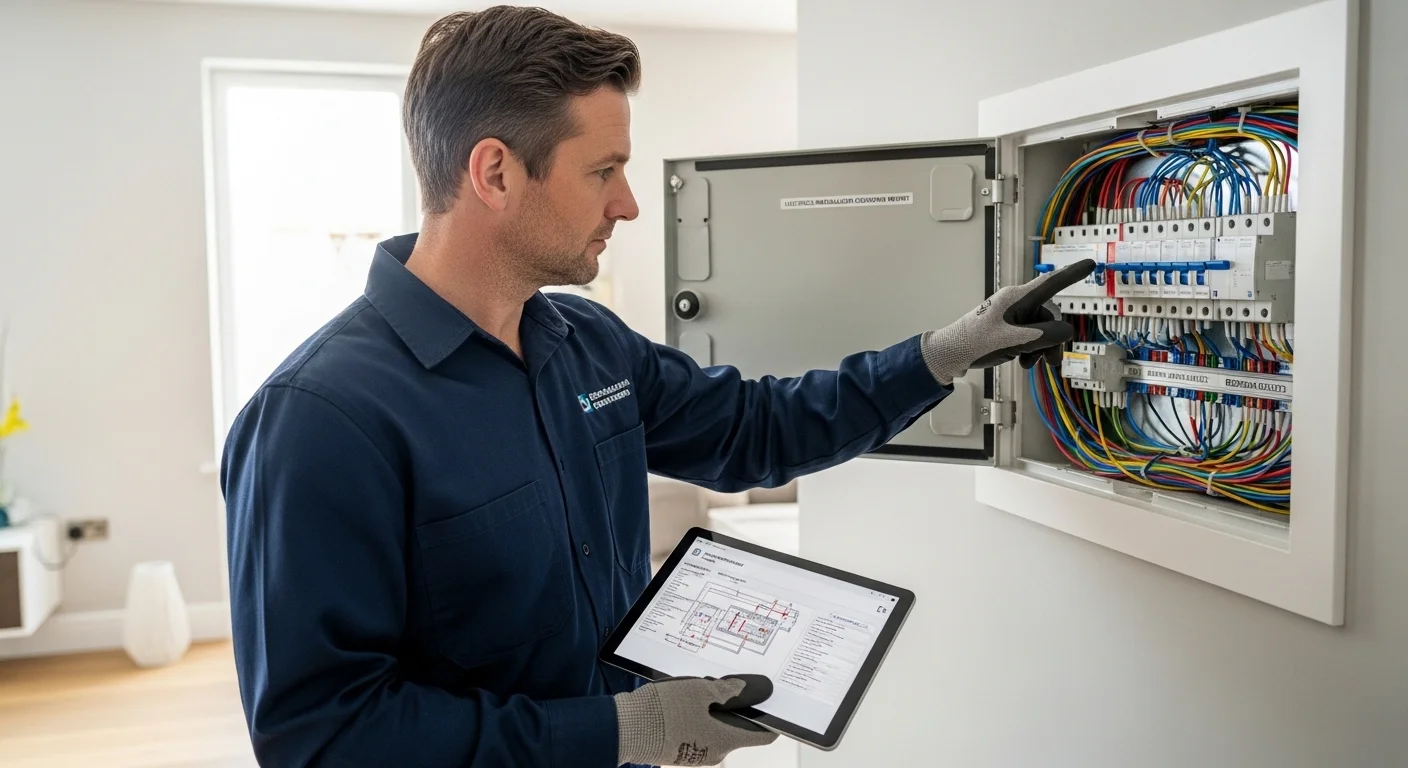
Inspecting Electrical Systems
Your breaker panel and power supply should support the voltage requirements of the cooling system.
Preparing Drainage Routes
Proper drainage prevents water leakage and moisture control problems after installation.
How Sunlight Exposure Affects AC Performance
Direct sunlight increases indoor heat transfer and forces cooling systems to work harder. Installing the unit in shaded areas improves energy savings and cooling efficiency.
Step-by-Step Guide to Installing a Window AC Unit
Window AC installation is one of the most beginner-friendly DIY projects.
Mounting the Bracket
Secure the mounting bracket tightly to support the weight of the air conditioner.
Securing the Unit
Carefully position the AC unit inside the window opening and lock it into place.
Sealing Air Gaps
Use insulation foam to block outside air and improve temperature regulation.
Connecting Power Safely
Plug the unit directly into a grounded outlet. Avoid extension cords because they increase fire risks.
Testing Airflow
Turn on the cooling system and check airflow optimization across the room.
Step-by-Step Guide to Installing a Portable AC Unit
Portable AC installation is easier than many other HVAC systems.
Setting Up the Exhaust Hose
Attach the exhaust hose securely to the ventilation opening.
Installing the Window Vent Kit
Fit the vent kit tightly inside the window frame to prevent heat leakage.
Positioning for Airflow
Keep the portable air conditioner away from furniture and walls for better airflow efficiency.
Drainage Setup
Some portable cooling systems require regular water drainage to prevent moisture buildup.
Energy Saving Placement Tips
Keeping the unit away from direct sunlight improves cooling performance and lowers energy consumption.
Step-by-Step Guide to Installing a Split AC Unit
Split system air conditioners require careful setup for safe operation.
Mounting the Indoor Unit
Install the indoor unit high on the wall for balanced airflow.
Installing the Outdoor Condenser
Place the condenser unit in a shaded outdoor location with enough ventilation clearance.
Connecting Refrigerant Lines
Refrigerant lines connect indoor and outdoor units. Improper connections may reduce cooling capacity and damage the compressor.
Electrical Wiring Basics
Electrical wiring should follow manufacturer instructions and local safety regulations.
Vacuum Testing and Leak Checks
Professional HVAC technicians often use vacuum pumps to remove moisture and inspect refrigerant charge levels.
Common Refrigerant Line Mistakes Homeowners Make
Bent or poorly insulated refrigerant lines can reduce airflow optimization and cooling efficiency.
Installing Central Air Conditioning Systems
Central air conditioning systems require advanced HVAC installation planning.
Ductwork Preparation
Inspect ductwork for leaks or airflow blockages before installation.
Thermostat Setup
Smart thermostat systems improve temperature control and energy savings.
Airflow Balancing
Balanced airflow ensures every room receives proper cooling performance.
Condenser Placement
Outdoor condenser units need open ventilation space for maximum cooling efficiency.
Professional Installation Recommendations
Because of electrical wiring, refrigerant handling, and ductwork complexity, professional installation is often recommended for central air conditioning systems.
AC Electrical Requirements and Safety Precautions
Electrical safety is extremely important when installing an AC unit.
Voltage Requirements
Always verify voltage compatibility before connecting the cooling system.
Circuit Breaker Capacity
Overloaded breaker panels can create fire hazards and system failure.
Grounding Importance
Grounded outlets reduce electrical shock risks and improve system safety.
Fire Prevention Tips
Avoid overloaded power strips and damaged electrical wiring.
Child and Pet Safety
Keep children and pets away from installation areas and exposed electrical components.
Signs Your Home Wiring Is Not Safe for AC Installation
Flickering lights, burning smells, and hot outlets may indicate dangerous electrical problems.
Common AC Installation Mistakes to Avoid
Avoiding common mistakes improves cooling performance and extends system lifespan.
Poor Placement
Incorrect placement reduces airflow optimization and indoor comfort.
Incorrect Sizing
Improper BTU calculations increase energy consumption and reduce cooling efficiency.
Improper Sealing
Air leaks force HVAC systems to work harder during hot weather.
Weak Airflow Setup
Blocked ventilation areas reduce cooling capacity.
Ignoring Maintenance Access
Always leave enough space for future HVAC maintenance and repairs.
Mistakes That Void AC Warranties
Unauthorized refrigerant handling and improper installation procedures may void manufacturer warranties.
DIY vs Professional AC Installation
Many homeowners wonder whether professional installation is necessary.
Cost Comparison
DIY installation reduces labor costs but may increase repair risks if mistakes occur.
Safety Risks
Electrical wiring and refrigerant handling require proper knowledge and safety precautions.
Skill Requirements
Window AC installation is beginner-friendly, while central HVAC installation is much more advanced.
Time Required
Professional HVAC technicians usually complete installation faster and more safely.
Long-Term Efficiency Impact
Correct installation improves system performance, energy savings, and home cooling efficiency.
How Much Does AC Installation Cost?
Installation costs depend on the cooling system type and home requirements.
Window AC Installation Cost
Window air conditioners are usually the most affordable option.
Split AC Installation Pricing
Split systems often cost more because of refrigerant lines, condenser setup, and electrical work.
Central AC Installation Cost
Central air conditioning systems may require ductwork modifications and professional HVAC contractors.
Hidden Installation Expenses
Extra expenses may include insulation upgrades, smart thermostat setup, and ventilation improvements.
Cost Saving Strategies During Installation
Choosing energy-efficient systems and proper installation planning can reduce long-term maintenance costs.
Energy Efficiency Tips After Installation
Improving energy efficiency helps lower electricity bills after installing an AC unit.
Smart Thermostat Setup
Smart HVAC controls improve temperature regulation and reduce unnecessary cooling cycles.
Airflow Optimization
Keep vents clean and unobstructed for balanced airflow.
Temperature Management
Avoid setting extremely low temperatures because it increases energy consumption.
Insulation Improvements
Better insulation helps maintain indoor comfort and cooling efficiency.
Reducing Electricity Bills
Regular HVAC maintenance and filter cleaning improve long-term energy savings.
Post Installation AC Testing Checklist
Testing the cooling system ensures proper operation after installation.
Checking Airflow
Inspect airflow in every room for balanced cooling.
Listening for Unusual Noise
Strange sounds may indicate loose mounting hardware or airflow problems.
Monitoring Cooling Performance
Check whether the room reaches the desired temperature consistently.
Leak Inspection
Inspect refrigerant lines and drainage systems for leaks.
Thermostat Calibration
Proper thermostat calibration improves cooling performance and indoor comfort.
AC Performance Checklist for the First 24 Hours
Monitor airflow, moisture control, energy usage, and cooling efficiency during the first day after installation.
AC Maintenance Tips After Installation
Routine maintenance extends the lifespan of air conditioning systems.
Cleaning Filters
Dirty filters reduce airflow optimization and cooling efficiency.
Checking Refrigerant
Low refrigerant charge levels reduce cooling capacity.
Seasonal Inspections
Seasonal HVAC maintenance prevents airflow blockages and system failure.
Preventing Mold Buildup
Clean drainage lines regularly to control moisture and indoor air quality.
Extending AC Lifespan
Proper maintenance protects your investment after installing a ac unit.
FAQs
Can I install an AC unit myself?
Yes, many homeowners can install portable air conditioners and window AC units safely with proper instructions.
Do I need a permit for AC installation?
Some areas require permits for central HVAC installation or electrical modifications.
How long does AC installation take?
Portable and window AC installation may take a few hours, while central air conditioning systems can require multiple days.
What size AC unit do I need?
The correct size depends on room dimensions, insulation, and climate conditions.
Is DIY installation safe?
DIY installation is safe for simpler cooling systems when proper safety precautions are followed.
How often should AC units be serviced?
Most HVAC systems should receive professional inspections at least once per year.
Conclusion
Proper AC installation improves indoor comfort, airflow efficiency, and long-term energy savings. Whether you choose a portable cooling system, window AC unit, split system air conditioner, or central HVAC system, careful preparation and correct installation methods are essential.
Understanding electrical safety, airflow optimization, ventilation efficiency, and maintenance requirements helps homeowners avoid costly mistakes and improve cooling performance. By following this complete guide, beginners can better understand the process of installing a ac unit while creating a safer and more energy-efficient home cooling solution.








Leave a Reply